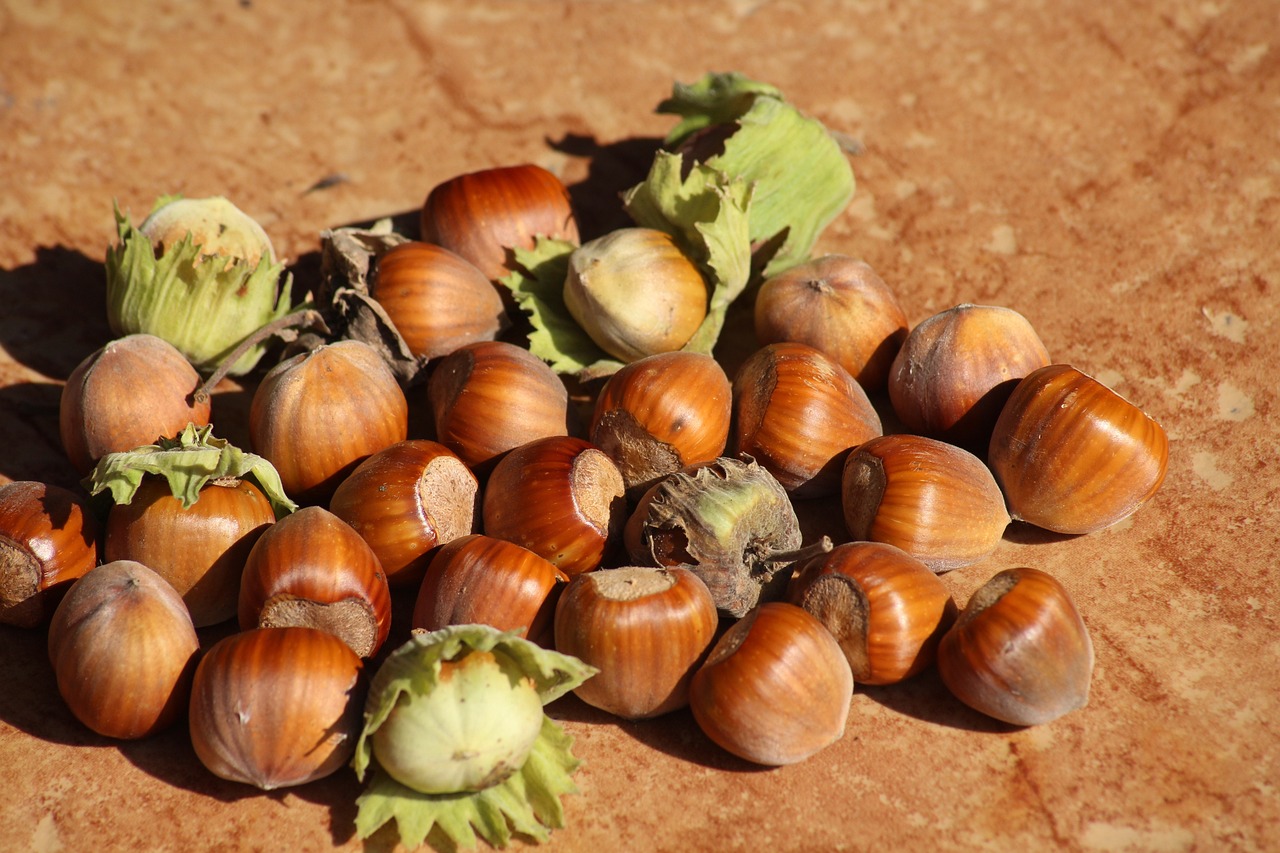
Hazelnut seed skins are thin by-products generated during roasting or blanching. A 2024 Scientific Reports study characterized industrial seed skins and 90°C water extracts for polyphenols, antioxidant capacity, antimicrobial activity, allergens and sensory properties.
The study did not produce one million tons of seed-skin waste
The roughly one-million-ton figure discussed in the paper refers to global hazelnut production, whereas seed skins account for only about 1% of nut mass. They are still a continuous food-industry by-product and therefore a plausible valorization target.
Hot-water extracts retained substantial phenolic content
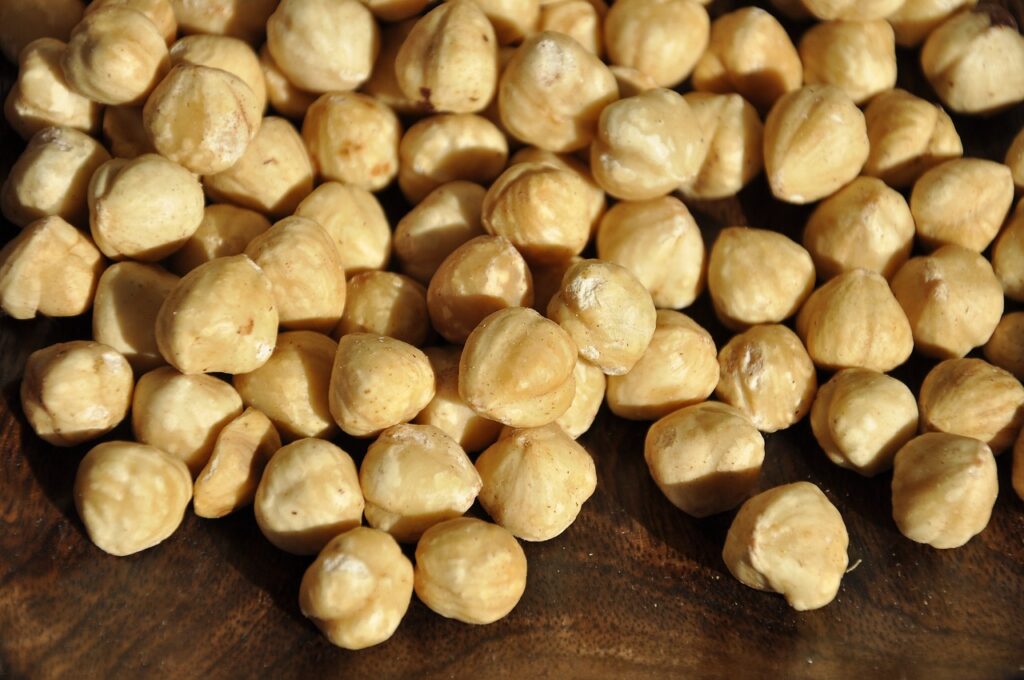
Ground skins were extracted at 5 or 10 g per 100 g water using 90°C water and 10 minutes of sonication. Total polyphenol content was 37.8–44.0 mg gallic-acid equivalents per gram, and gallic acid was the major phenolic compound. ABTS and DPPH assays also showed antioxidant capacity.
These are chemical antioxidant assays, not clinical evidence of anti-ageing or disease prevention in humans.
Antimicrobial activity was demonstrated in the tested strains
The extracts inhibited all pathogenic bacterial strains tested in the study, supporting investigation as bacteriostatic food ingredients. Real-food matrices, dose, shelf life, flavour impact and regulatory requirements still need validation.
Lower allergen content does not mean allergen-free
Measured allergen content was lower in the skins and extracts than in hazelnut kernels, but the products were not shown to be safe for people with hazelnut allergy. Allergen labelling and safety assessment remain essential.
A November 2024 Author Correction added omitted funding information only; it did not alter the scientific results.
For related context, see Chitosan + Aloe + Cinnamon Produced Antimicrobial Cotton That Also Degraded in Soil Tests.
For related context, see How Many Plant Hormones Are in Compost? LC–MS Found Up to 35 Compounds Across Six Materials.
For related context, see Chia Seed Research in 2026: Mucilage, ALA, Crop Science—and the Limits of Health Claims.
References
- Kruk M et al. By-product hazelnut seed skin characteristics and properties in terms of use in food processing and human nutrition. Scientific Reports. 2024;14:18835. https://doi.org/10.1038/s41598-024-69900-8
- Kruk M et al. Author Correction…. Scientific Reports. 2024;14:27217. https://doi.org/10.1038/s41598-024-78543-8


Comments