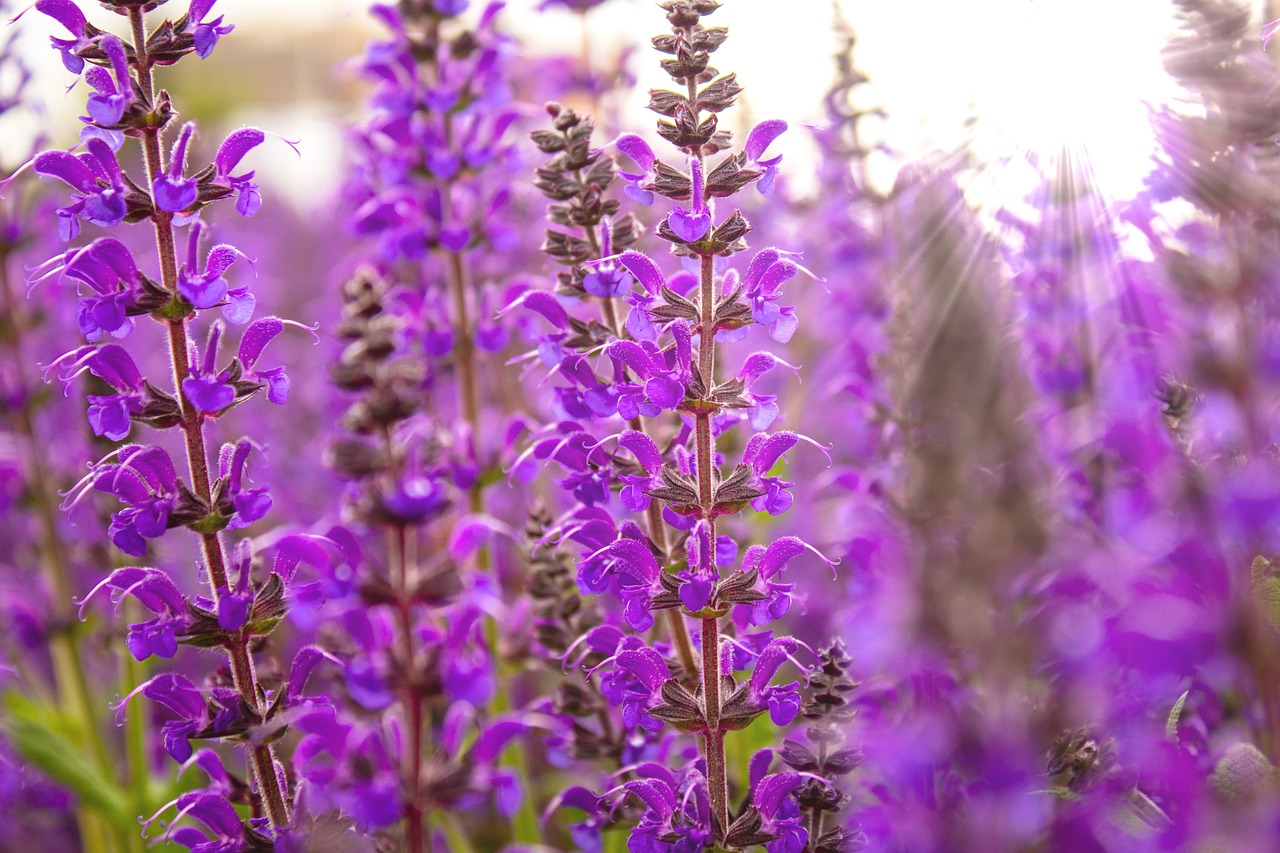
A 2024 Scientific Reports study compared 102 samples representing 20 Iranian Salvia species using UHPLC-HRMS, phytochemical measurements and antioxidant assays. The study found substantial chemical diversity among species and populations.
What it did not do was show that particular sage species treat particular human diseases. This is a phytochemical screening study—a way to identify plant materials worth studying next.
Twenty species and 102 samples were compared under a common framework
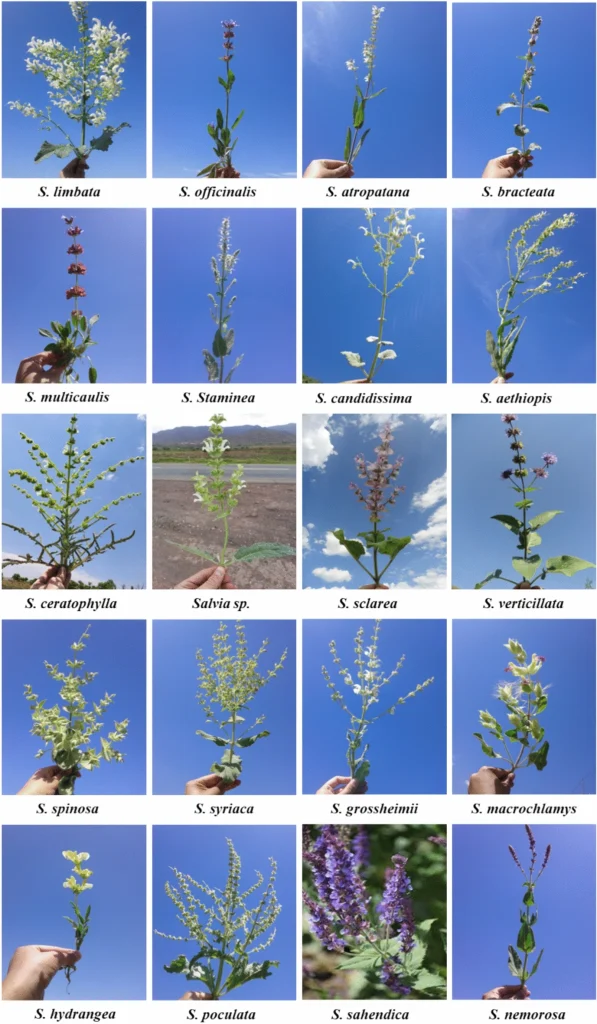
Researchers measured total phenolics, flavonoids, tannins, ascorbic acid, pigments and DPPH/FRAP antioxidant activity, and identified 40 compounds by UHPLC-HRMS. Environmental and geographic variation among collection sites was also considered.
Each species has a different chemical fingerprint
Some S. nemorosa samples were rich in salvianolic and lithospermic acids, while other species showed different characteristic phenolics. Concentrations also varied within species across habitats.
That means raw-material selection cannot rely on the genus name “sage” alone. Species, population and growing environment can all matter for chemical quality.
DPPH and FRAP are not clinical efficacy tests
High antioxidant activity in a chemical assay does not prove that an extract treats cardiovascular, metabolic, inflammatory or neurological disease in people. The paper discusses possible applications by connecting measured compounds to activities reported elsewhere, but those links are hypotheses for future research.
A late-2024 follow-up on wild S. nemorosa populations reinforced the importance of population and habitat differences in phytochemical profiles.
The development pathway is screening first, clinical evidence much later
Phytochemical screening can identify promising sources. The next steps would include target-based or cellular assays, animal studies when appropriate, toxicology, pharmacokinetics, standardization and eventually human trials.
The scientific value of this work is a high-resolution chemical map for selecting future research material—not a prescription for combining sage species to treat more diseases.
For related context, see How Red Spider Lily Makes Galantamine: The Biosynthetic Pathway Comes Into Focus.
For related context, see Can Pistachio Hull Essential Oil Work as an Antimicrobial or Antioxidant Material? Reading the In-Vitro Evidence.
For related context, see Can Hazelnut Seed Skins Become Food Ingredients? Polyphenols, Antimicrobial Activity and Allergen Caveats.
For related context, see Can Moringa Leaf Extract Remineralize Dentin? What the Lab Study Actually Shows.
References
- Moshari-Nasirkandi A et al. Chemometrics-based analysis of the phytochemical profile and antioxidant activity of Salvia species from Iran. Scientific Reports. 2024;14:17317. https://doi.org/10.1038/s41598-024-68421-8
- Moshari-Nasirkandi R et al. Screening of native wild Salvia nemorosa populations for chemical compositions, antioxidant activity and UHPLC-HRMS profiling. Scientific Reports. 2024;14:32064. https://doi.org/10.1038/s41598-024-83756-y
Comments