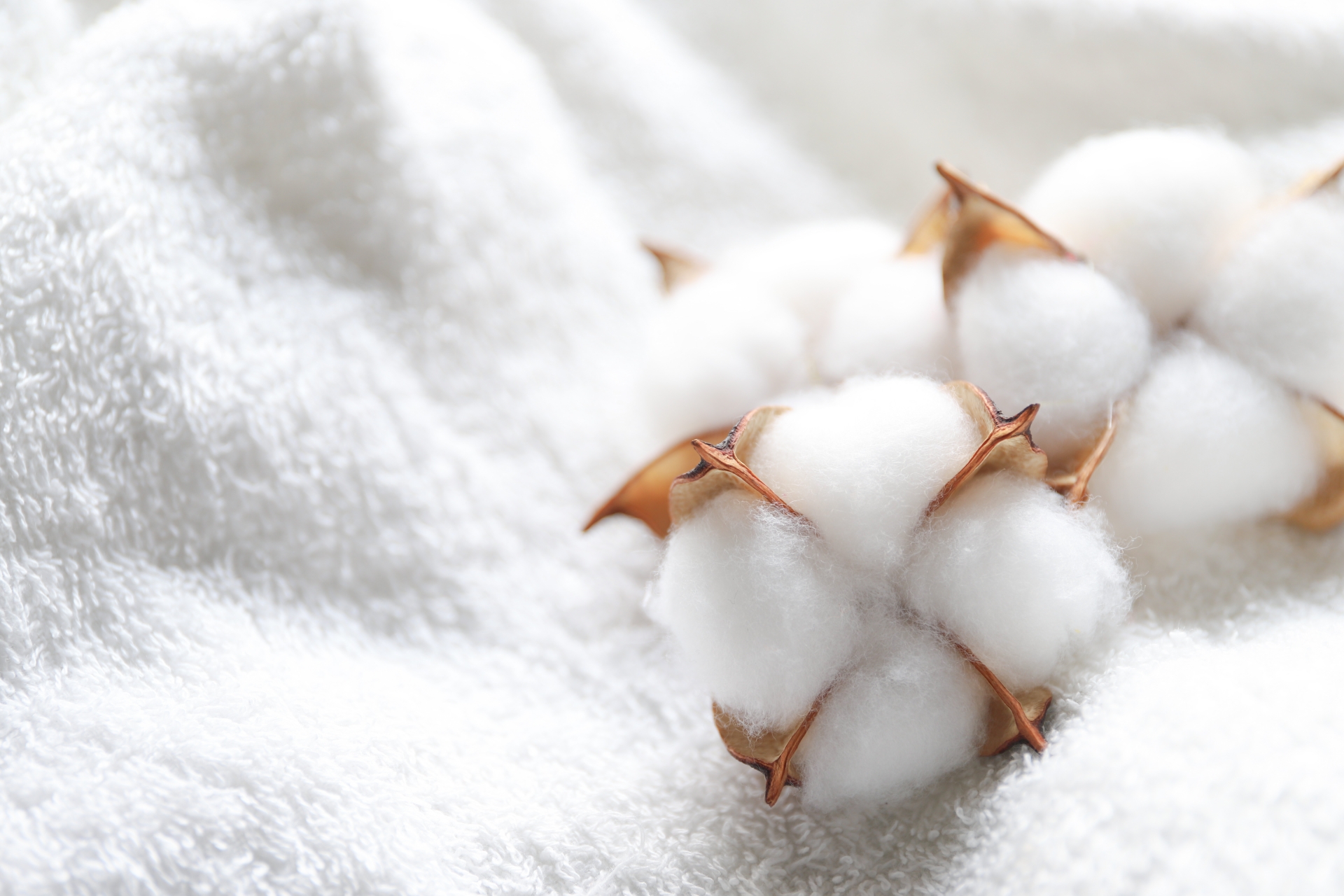
A 2024 Scientific Reports study coated cotton fabric with chitosan loaded with plant extracts and essential oils to combine antimicrobial activity with biodegradability.
Aloe plus cinnamon produced strong antimicrobial activity

The fabrics were tested against E. coli, S. aureus, B. subtilis, Candida albicans and Aspergillus niger. A coating containing aloe vera extract and cinnamon essential oil showed particularly strong growth inhibition.
These were laboratory antimicrobial tests, not clinical trials demonstrating lower hospital infection rates.
Soil-burial tests showed degradation over 5–20 days

Color and weight changes during soil exposure indicated biodegradation. The study does not establish complete degradation within four weeks or zero environmental impact. Natural-origin ingredients can still require allergy, skin compatibility, leaching, ecotoxicity and durability testing.
The material is therefore a promising antimicrobial-textile prototype rather than a finished medical product.
For related context, see 3D-Printing Wood from Lignin and Cellulose: 200-µm DIW and Hot-Pressed Flexural Performance Beyond Balsa.
For related context, see Tea Polysaccharides Help Form Chitosan Nanoparticles That Suppress Rice Pathogens In Vitro and on Detached Leaves.
For related context, see Can Hazelnut Seed Skins Become Food Ingredients? Polyphenols, Antimicrobial Activity and Allergen Caveats.
Reference
- Szadkowski B et al. Bioactive and biodegradable cotton fabrics produced via synergic effect of plant extracts and essential oils in chitosan coating system. Scientific Reports. 2024;14:8530. https://doi.org/10.1038/s41598-024-59105-4
Comments