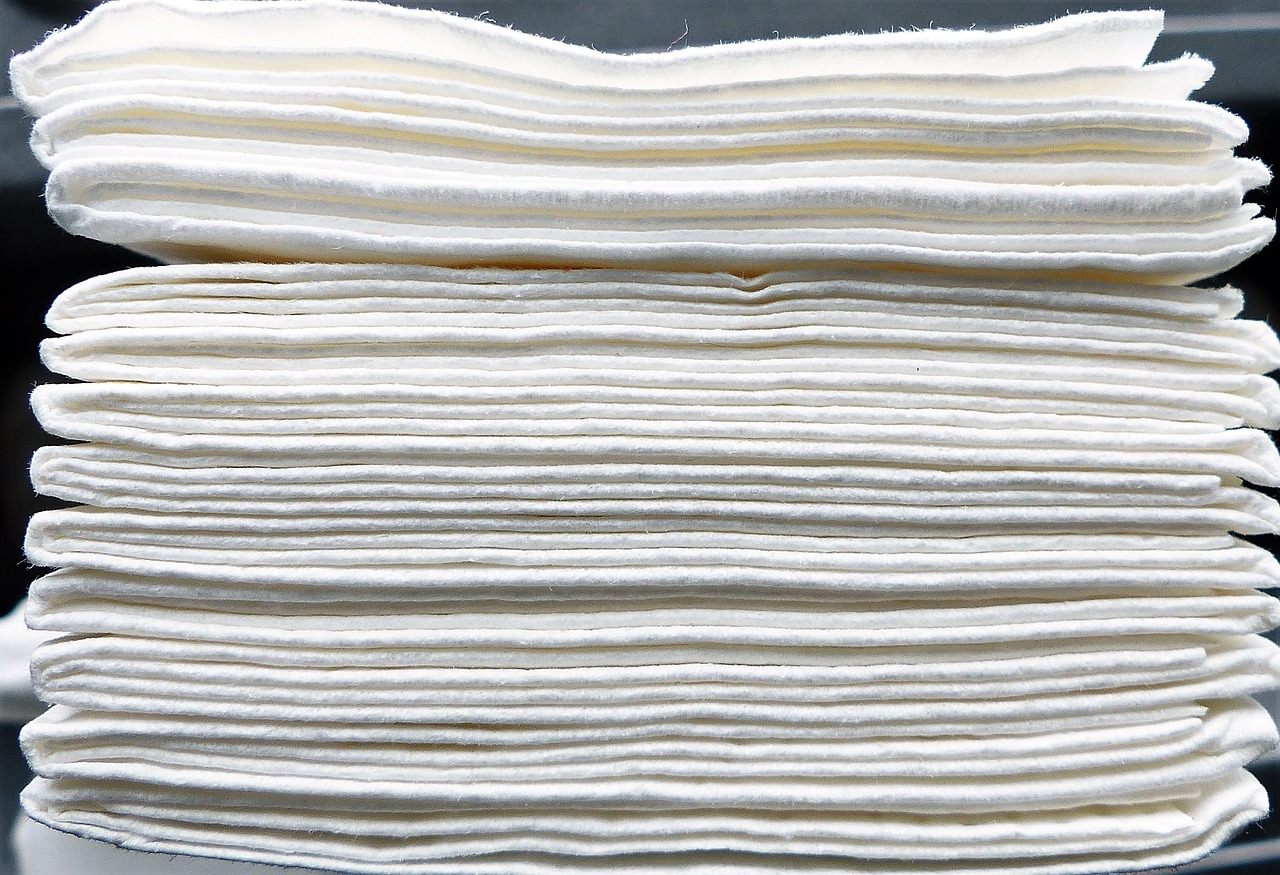
Cotton is an unusually capable natural cellulose fiber, but its production also requires land, water and crop inputs. A 2024 Scientific Reports study combined anionic cellulose nanofibrils (CNF) with cationic cellulose nanocrystals (CNC) to produce all-cellulose filaments that retained mechanical strength in wet conditions.
The key was restoring inter-cellulose hydrogen bonding

Highly charged nanocellulose disperses well but electrostatic repulsion can prevent close crystal contact and weaken wet fibers. The study used relatively low-charge cationic CNC and anionic CNF so long-range electrostatic attraction could assist assembly while short-range hydrogen bonding rebuilt cellulose-cellulose cohesion.
Wet strength was retained even with unoptimized spinning

The authors deliberately used unoptimized spinning to probe intrinsic material properties. The resulting fibers maintained substantial strength when wet, addressing a common weakness of ionically bound nanocellulose filaments.
The phrase “cotton-quality” in the paper title should not be read as proof that the laboratory fibers already match cotton in hand feel, yarn processing, wash durability or manufacturing cost.
Textile replacement still requires scale-up evidence
Cellulose feedstock can ultimately come from wood pulp and other biomass, but this work remains a laboratory filament study. Throughput, continuous spinning, yarn formation, dyeing, durability, energy use, chemical footprint and cost all need assessment before claiming a full cotton substitute.
For related context, see 3D-Printing Wood from Lignin and Cellulose: 200-µm DIW and Hot-Pressed Flexural Performance Beyond Balsa.
For related context, see Coconut-Mat Layers Reduced Thermal Conductivity of a Geopolymer Panel by Up to 41%.
For related context, see Chitosan + Aloe + Cinnamon Produced Antimicrobial Cotton That Also Degraded in Soil Tests.
Reference
- Jaekel EE et al. Cotton-quality fibers from complexation between anionic and cationic cellulose nanoparticles. Scientific Reports. 2024;14:18406. https://doi.org/10.1038/s41598-024-69346-y
Comments