
A 2023 PLOS ONE study used shotgun metagenomic sequencing to identify ancient plant DNA preserved in ten coprolites from pre-Columbian Huecoid and Saladoid contexts on Vieques, Puerto Rico. Radiocarbon dates place the samples roughly 1,500 years ago.
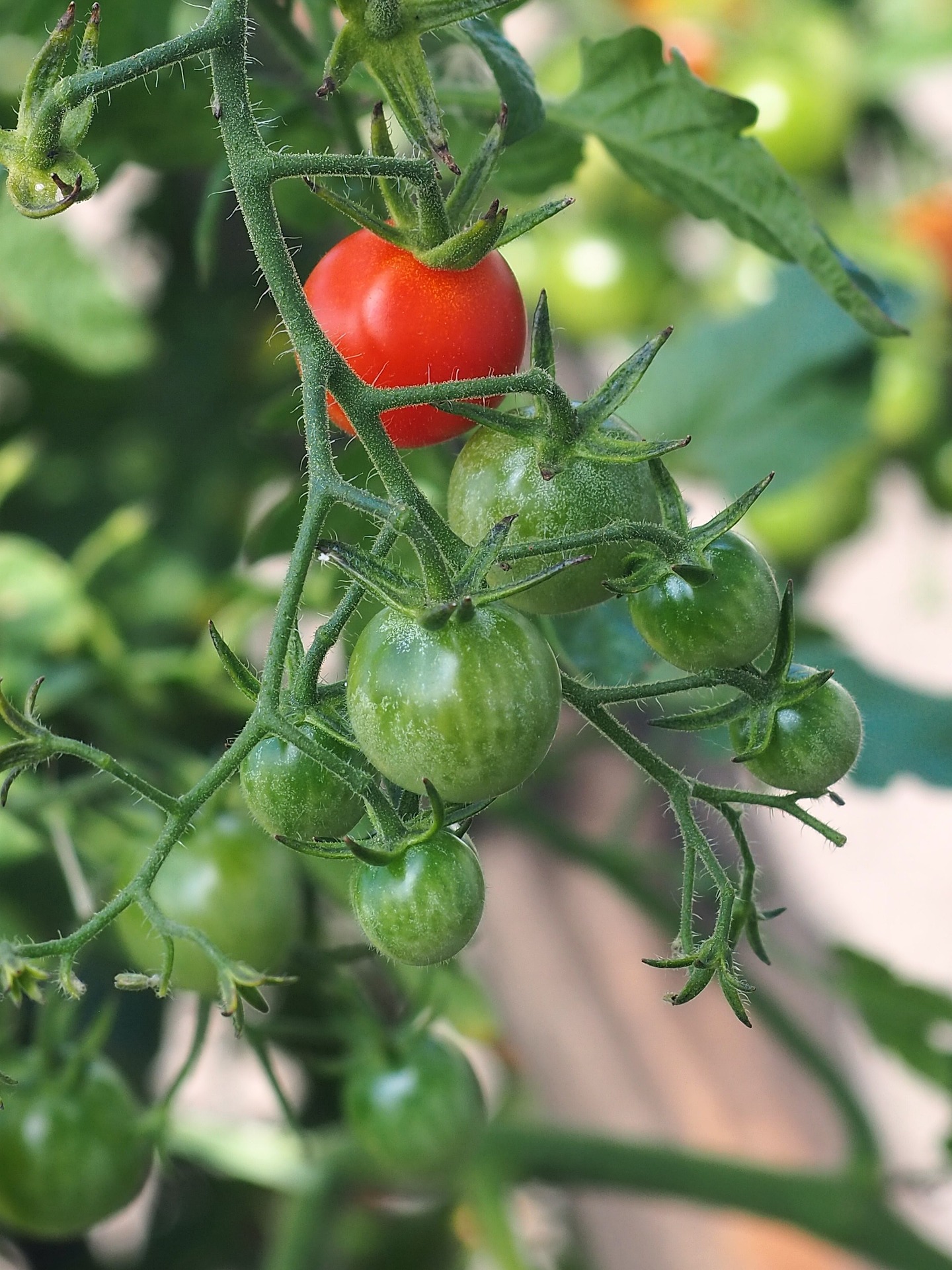
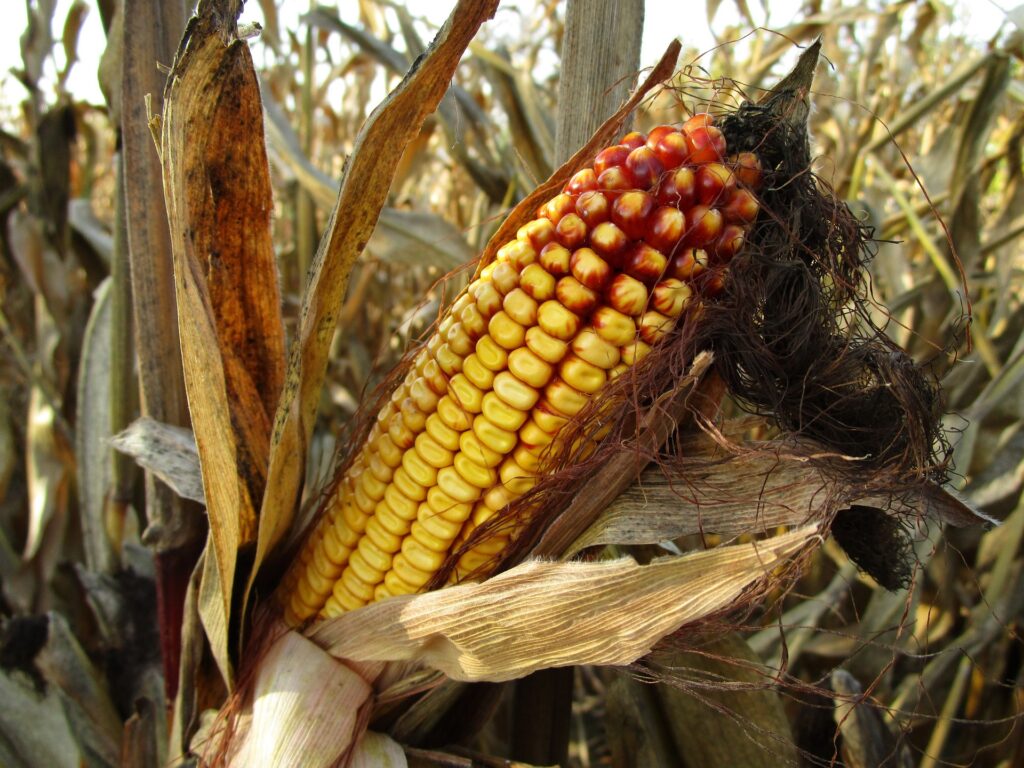
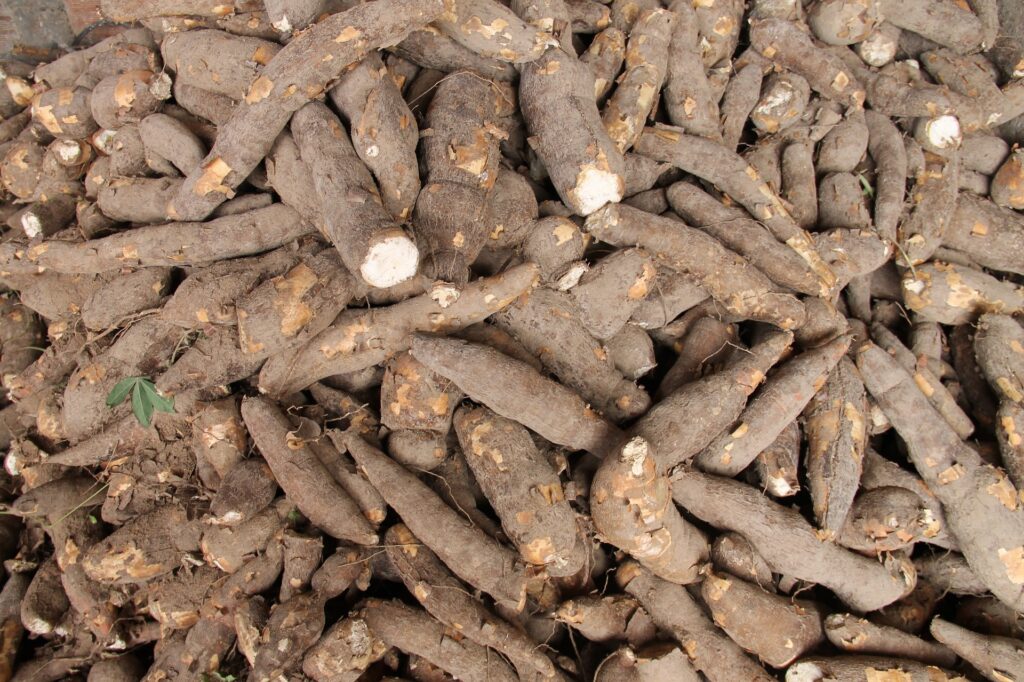
Plant reads were assigned to taxa including maize, sweet potato, chili pepper, peanut, papaya, tomato, cotton and tobacco. DNA from putative plant-pathogenic fungi was also used as supporting evidence for plant use.
The study did not detect dozens of edible plants
The focal Huecoid and Saladoid samples yielded nine plant taxa. Earlier versions of this article overstated the number of directly detected plants and mixed known Caribbean crops from the background literature with the study’s own DNA results.
Detection does not automatically prove routine consumption

Cotton and tobacco are especially intriguing, but ancient DNA in a coprolite does not by itself prove that a plant was routinely eaten as food. Medicinal or ritual use, incidental ingestion, database assignment to close relatives and preservation bias all remain possible.
The authors also emphasize that available reference genomes are biased toward economically important crops, which limits taxonomic resolution.
A coprolite captures only a narrow dietary window
One coprolite can reflect only a few recent meals and is affected by digestion and taphonomy. Absence of DNA is not proof of absence from the wider diet, and a detected sequence does not establish frequency of use.
The main value of the study is methodological: ancient plant DNA provides an independent line of evidence that can be combined with starch grains, artifacts and archaeological records to reconstruct Caribbean foodways.
For related context, see Was Cupuaçu Domesticated 8,000 Years Ago? What the Genome Actually Shows.
For related context, see How Mirror-Image Flowers Are Built: A Supergene and Gravity Place Pollen on Opposite Sides of Pollinators.
For related context, see The Oldest Chemically Confirmed Amber Is 385 Million Years Old—Resin Chemistry Predates the Rise of Seed Plants.
Reference
- Reynoso-García J et al. Edible flora in pre-Columbian Caribbean coprolites: Expected and unexpected data. PLOS ONE. 2023;18:e0292077. https://doi.org/10.1371/journal.pone.0292077

Comments