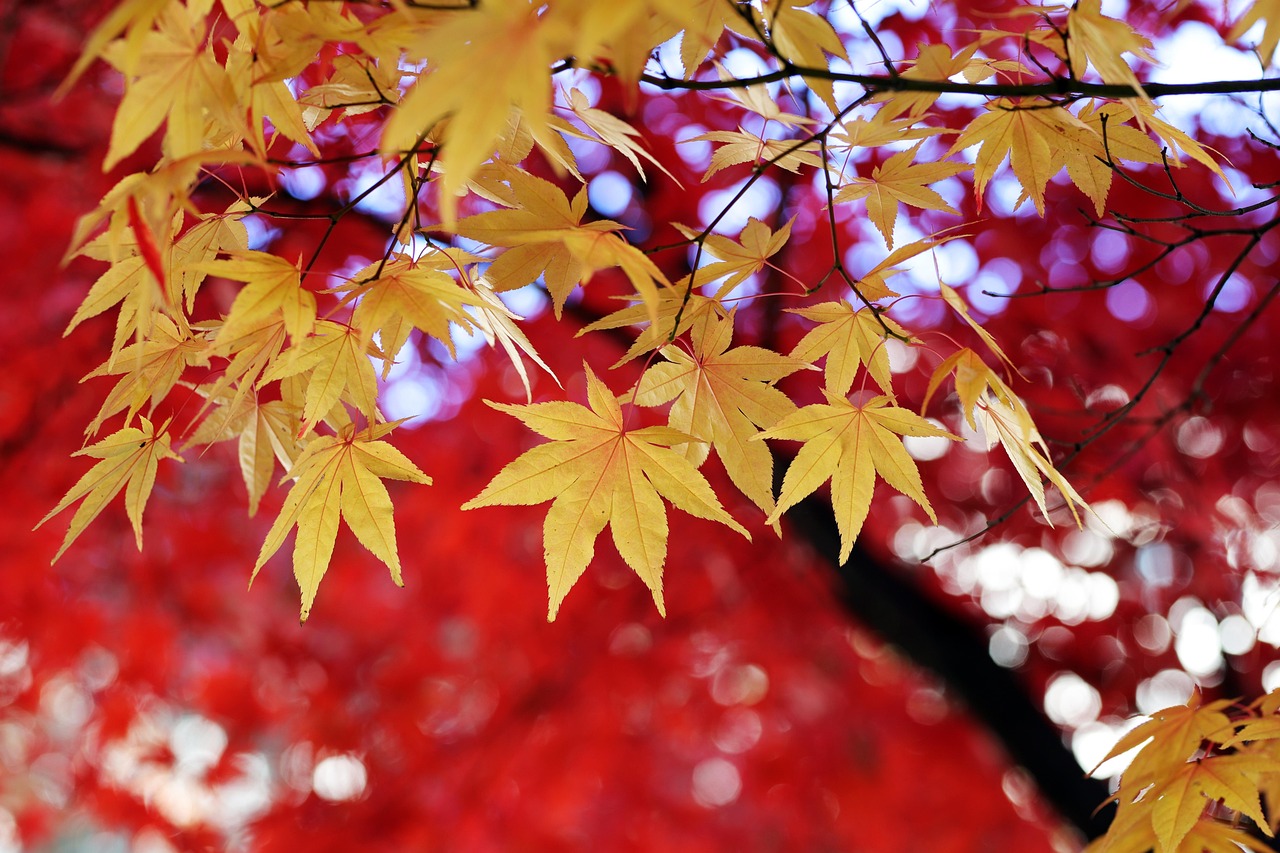
A 2025 Scientific Reports study quantified autumn-color brightness from repeat photography at three Japanese alpine sites and projected future changes using the VARI index.
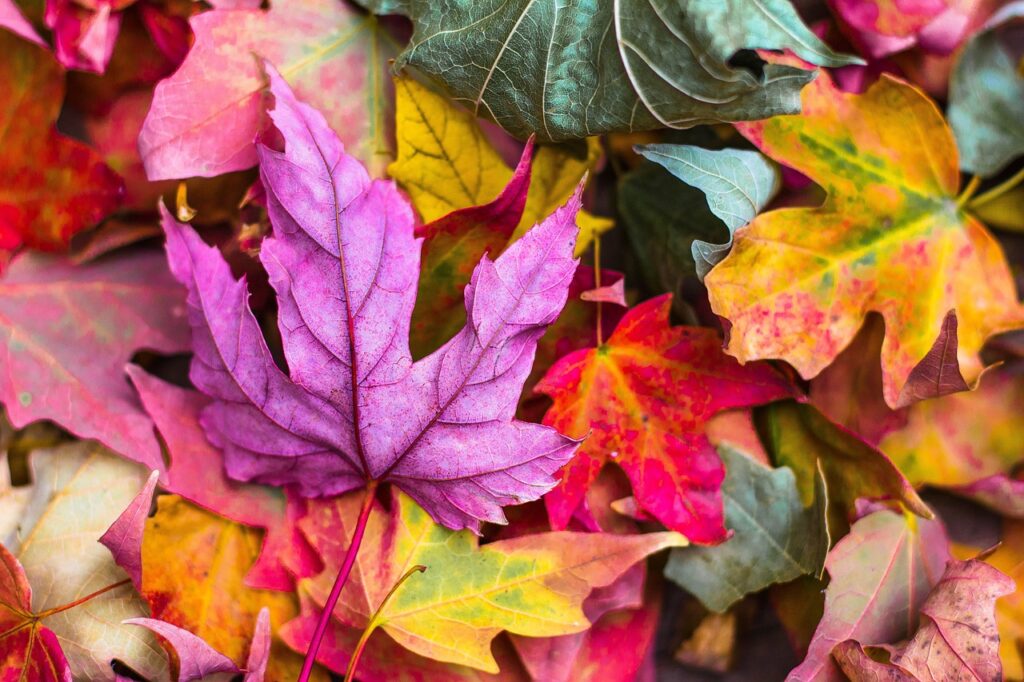
Earlier spring green-up was consistently associated with duller peak autumn color. Longer leaf duration and reduced autumn physiological vitality are plausible mechanisms, but pigment and ageing mechanisms were not directly proven.
Future projections ranged from several-percent declines under mild warming to roughly 15% under MIROC5 RCP8.5 in 2081–2100, with reductions reaching 25% in some grid cells. Thus 25% is a local maximum, not the national-average prediction.
The study concerns alpine vegetation and should not be generalized directly to urban street trees. Tourism and ecosystem consequences are plausible downstream effects, not directly quantified outcomes.
For related context, see What Could Climate Change Do to European Hops by 2050? Re-reading the Yield and Alpha-Acid Projections.
For related context, see How Much Crop Choice Could Low Latitudes Lose? Climatic Niches of 30 Food Crops Under 1.5–4°C Warming.
For related context, see Large Trees Are Increasing in the United States and Amazonia—but That Does Not Prove Warming Made Trees Bigger.
Reference
- Koide D et al. Autumn leaf color brightness of Japanese alpine vegetation is projected to decrease under future climate change. Scientific Reports. 2025;15:29064. https://doi.org/10.1038/s41598-025-14547-2


Comments