
Low-concentration ethanol is being studied as a chemical priming signal that can alter plant responses to heat, drought and salinity. Evidence exists in Arabidopsis, rice, soybean and tomato.
The previous version of this article went too far by turning laboratory concentrations into a home-gardening recipe. As of 2026, there is no validated cross-crop standard ethanol spray or drench protocol for heat protection.
Ethanol priming changes several stress-response networks
Plants metabolize ethanol through acetaldehyde and acetate, and low-concentration treatments can alter sugars, ROS management, stomatal responses, chromatin and the unfolded-protein response (UPR). The dominant mechanism depends on species and stress.
Heat tolerance: UPR and tomato experiments

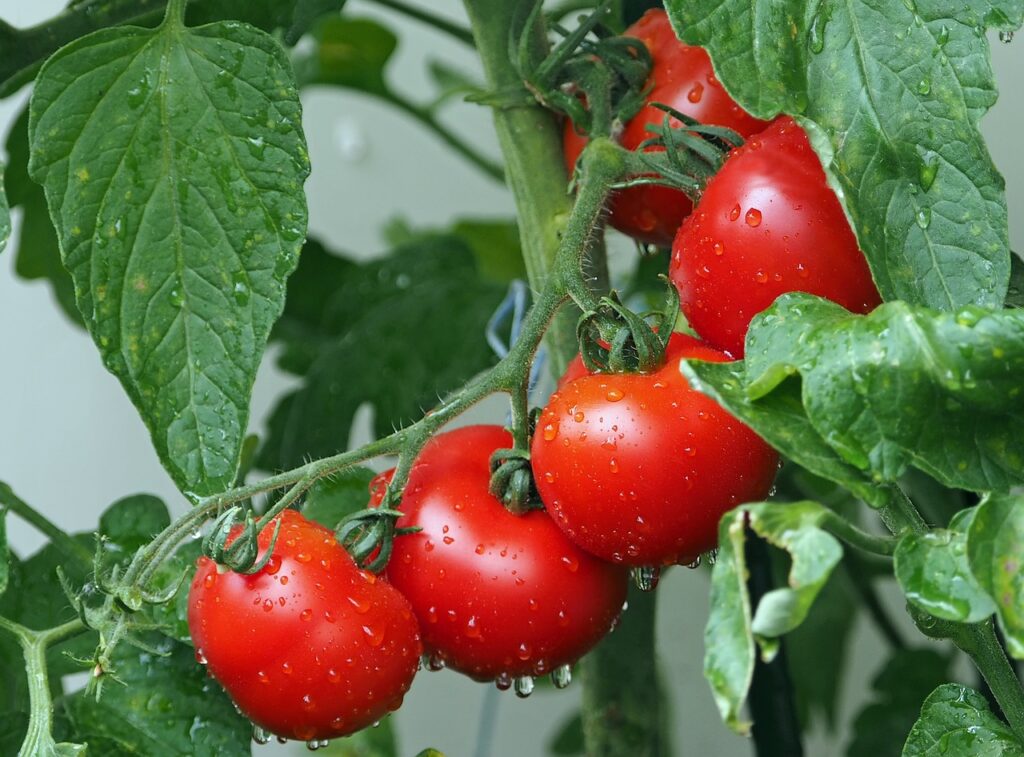
A 2022 study linked ethanol pretreatment to UPR activation and improved heat tolerance. In 2024, Micro-Tom tomato seedlings pretreated with 20 mM ethanol were more resilient to short severe heat treatments and retained better reproductive performance; fruit number improved in one experiment, while individual fruit weight did not.
A 2025 study in a tomato phyA-mutant background reported improved growth and fruit-quality traits with ethanol treatment under heat. This is useful follow-up evidence, but genotype dependence remains important.
Salt and drought studies do not make ethanol a universal stress switch
Other work has reported improved salt or drought responses in Arabidopsis, rice and soybean, involving ROS detoxification and metabolic or epigenetic changes. These are multiple related phenomena, not one standardized agronomic mechanism.
Laboratory molarity should not be converted directly into a DIY recipe

A nominal 20 mM solution can produce different plant exposure depending on substrate volume, root mass, evaporation, formulation, leaf cuticle and application route. Higher concentrations can be phytotoxic.
Products marketed for crop-growth or protection effects also fall under jurisdiction-specific regulatory frameworks. Familiarity of ethanol in food and disinfection does not automatically establish an agricultural-use claim.
The next evidence milestones are dose-response testing in commercial cultivars, multi-season greenhouse and field trials, combined heat/drought stress, crop-quality measurements, safety and economic comparison with established heat-management practices.
The defensible 2026 conclusion is that ethanol priming is a promising research approach with repeated plant evidence—but it is still being optimized rather than a universal farm or home-garden treatment.
For related context, see Can Ethanol Help Tomatoes Tolerate Heat? From 2024 Micro-Tom Experiments to a 2025 phyA Study.
For related context, see What Could Climate Change Do to European Hops by 2050? Re-reading the Yield and Alpha-Acid Projections.
For related context, see Barley NAC Genes Through a Pan-Genome Lens: 127–149 Genes Across 20 Genomes.
References
- Matsui A et al. 2022. https://doi.org/10.1007/s11103-022-01291-8
- Todaka D et al. 2024. https://doi.org/10.3389/fpls.2024.1325365
- Ahmed RAH et al. 2025. https://doi.org/10.1038/s41598-025-17929-8
- Nguyen HM et al. 2017. https://doi.org/10.3389/fpls.2017.01001


Comments