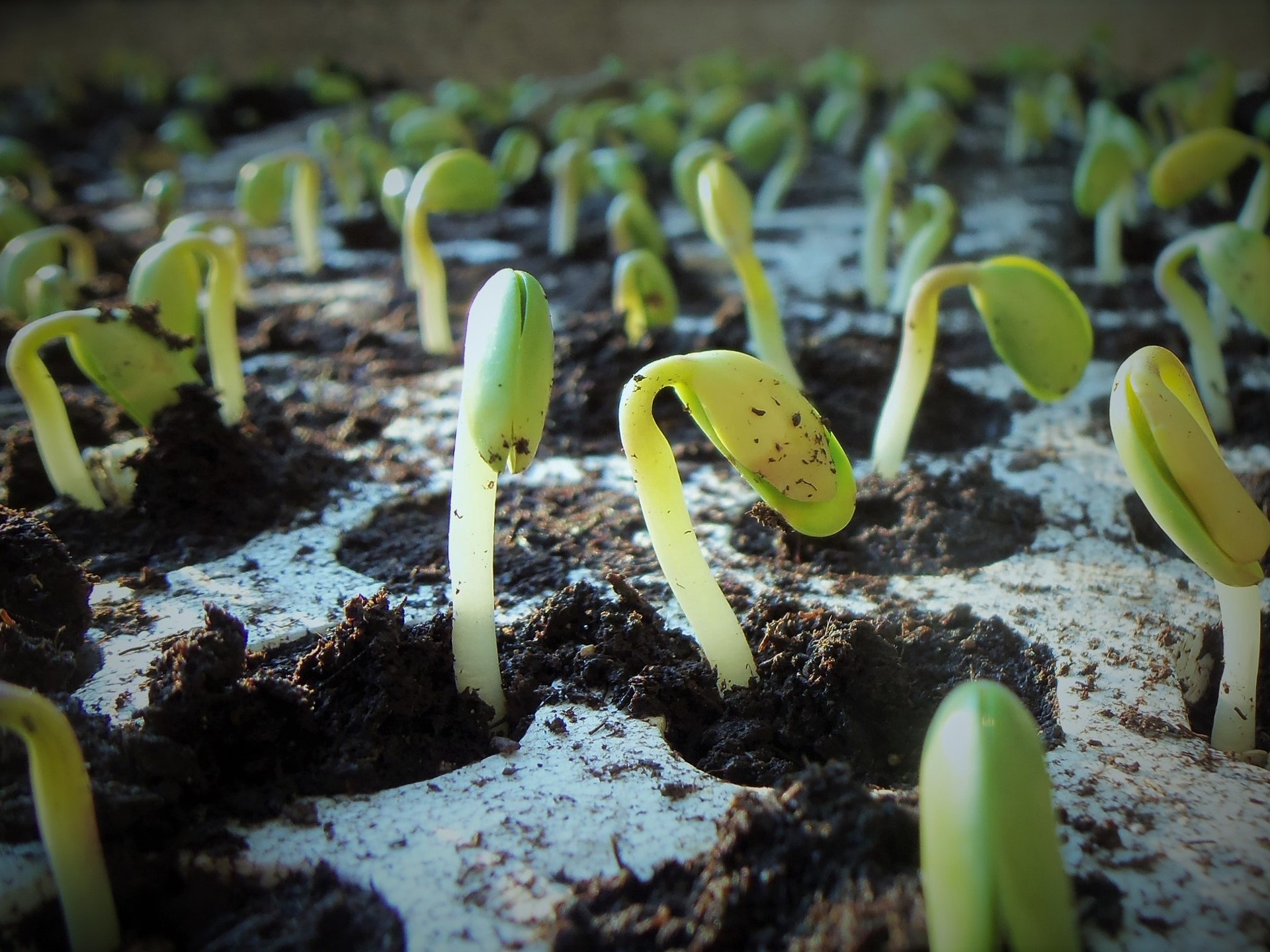
Physical seed priming with magnetic or electric fields is attractive because it can avoid chemical treatments. A 2023 Scientific Reports study tested four soybean cultivars under alternating magnetic, constant magnetic and alternating electric fields.
The main germination and growth effects were not significant


Cultivar significantly affected germination and growth traits, but electromagnetic-field treatment and the cultivar × field interaction did not show significant main effects on germination energy/capacity, plant number or fresh mass.
MERLIN showed numerically higher germination after treatment, but those differences were not statistically significant. In contrast, alternating electric-field treatment significantly reduced germination capacity in VIOLETTA by 27% versus control.
Some physiological traits changed

Protein concentration and photosynthetic parameters showed treatment- and cultivar-specific differences, but the overall pattern does not support a simple claim that field treatment universally improves soybean establishment.
Calling the method environmentally friendly also requires caution: the study did not perform a life-cycle or energy-cost assessment, and one magnetic treatment lasted 17 hours.
Practical deployment would require cultivar-specific dose optimization, field emergence and yield trials, throughput analysis and energy accounting.
For related context, see Does Electricity Really Make Plants Grow Better? What Controlled Electrostimulation Studies Actually Show.
For related context, see eSoil Increased Barley Seedling Dry Weight by 50% at Day 15—but It Is Not Yet a Proven Crop-Yield Technology.
For related context, see Tomato HY5 Links Light, Electrical Signaling and a Jasmonate Burst During Root-Knot Nematode Defense.
Reference
- Dziwulska-Hunek A et al. Stimulation of soy seeds using environmentally friendly magnetic and electric fields. Scientific Reports. 2023;13:18085. https://doi.org/10.1038/s41598-023-45134-y
Comments