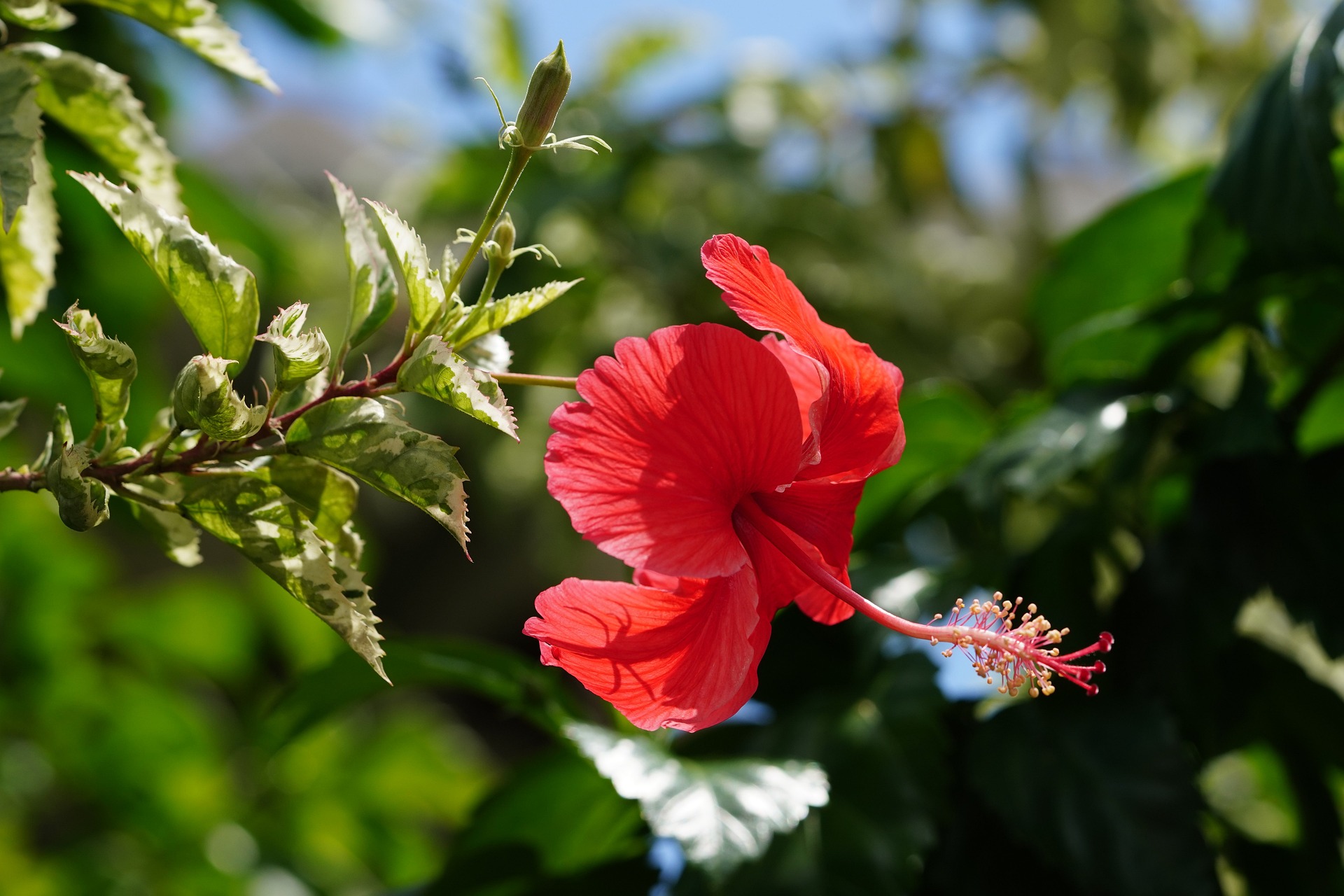
A 2024 Scientific Reports study converted Hibiscus rosa-sinensis leaf material into fluorescent carbon quantum dots (CQDs) using a microwave-assisted synthesis and then tested antibacterial, anti-inflammatory and cell-migration effects in vitro.
The key distinction is that no animal wounds or patients were treated. The “wound-healing” evidence came from a cultured-cell scratch assay.
Microwave synthesis produced ~12-nm CQDs

The particles were characterized by UV–visible and fluorescence spectroscopy, FTIR, XRD, DLS, TEM and elemental analysis. They were quasi-spherical, around 12 nm in size, negatively charged and carried surface hydroxyl and carboxyl groups.
Cell gaps closed faster in scratch assays
Researchers created a gap in confluent L929 fibroblast and HaCaT keratinocyte cultures and measured how quickly cells migrated into the gap. In L929 cells, the selected CQD concentration produced nearly complete closure by 24 hours; in HaCaT cells, 250 µg/mL CQDs increased closure relative to untreated controls.
Scratch assays are useful early screens for cell migration and proliferation, but real wound repair also involves blood flow, immune cells, extracellular matrix, infection and tissue architecture. Closing a gap in a monolayer is not the same as healing a wound in an organism.
Anti-inflammatory and antimicrobial effects were also laboratory assays
The CQDs reduced several in-vitro inflammation-related readouts and showed activity against Klebsiella pneumoniae and Bacillus cereus. Hemolysis and cytotoxicity assays suggested reasonable compatibility within the tested concentration ranges.
The study did not establish long-term biodistribution, degradation, systemic toxicity or an effective dose in living tissue.
This is not simply a study of medicinal hibiscus extract
The leaf extract served as a carbon precursor that was transformed into a nanomaterial. The biological properties of the resulting CQDs depend on nanoscale structure and surface chemistry. The experiment does not imply that applying hibiscus leaves or extract to a wound produces the same effects.
The authors explicitly call for detailed in-vivo studies. As of 2026, the work is best described as an in-vitro demonstration of a plant-derived nanomaterial candidate for future biomedical research—not a validated wound treatment.
For related context, see Agricultural Nanotechnology in 2026: Nano-Fertilizers and Nano-Pesticides Move from Efficacy to Safety and Regulation.
For related context, see Tea Polysaccharides Help Form Chitosan Nanoparticles That Suppress Rice Pathogens In Vitro and on Detached Leaves.
For related context, see Using Amino Acid Transporters as Nanoparticle Entry Receptors: Asp/PDPA-NP Delivers Cargo into Plant Cells Within Minutes.
Reference
- Yalshetti S et al. Microwave-assisted synthesis, characterization and in vitro biomedical applications of Hibiscus rosa-sinensis Linn.-mediated carbon quantum dots. Scientific Reports. 2024;14:9915. https://doi.org/10.1038/s41598-024-60726-y

Comments