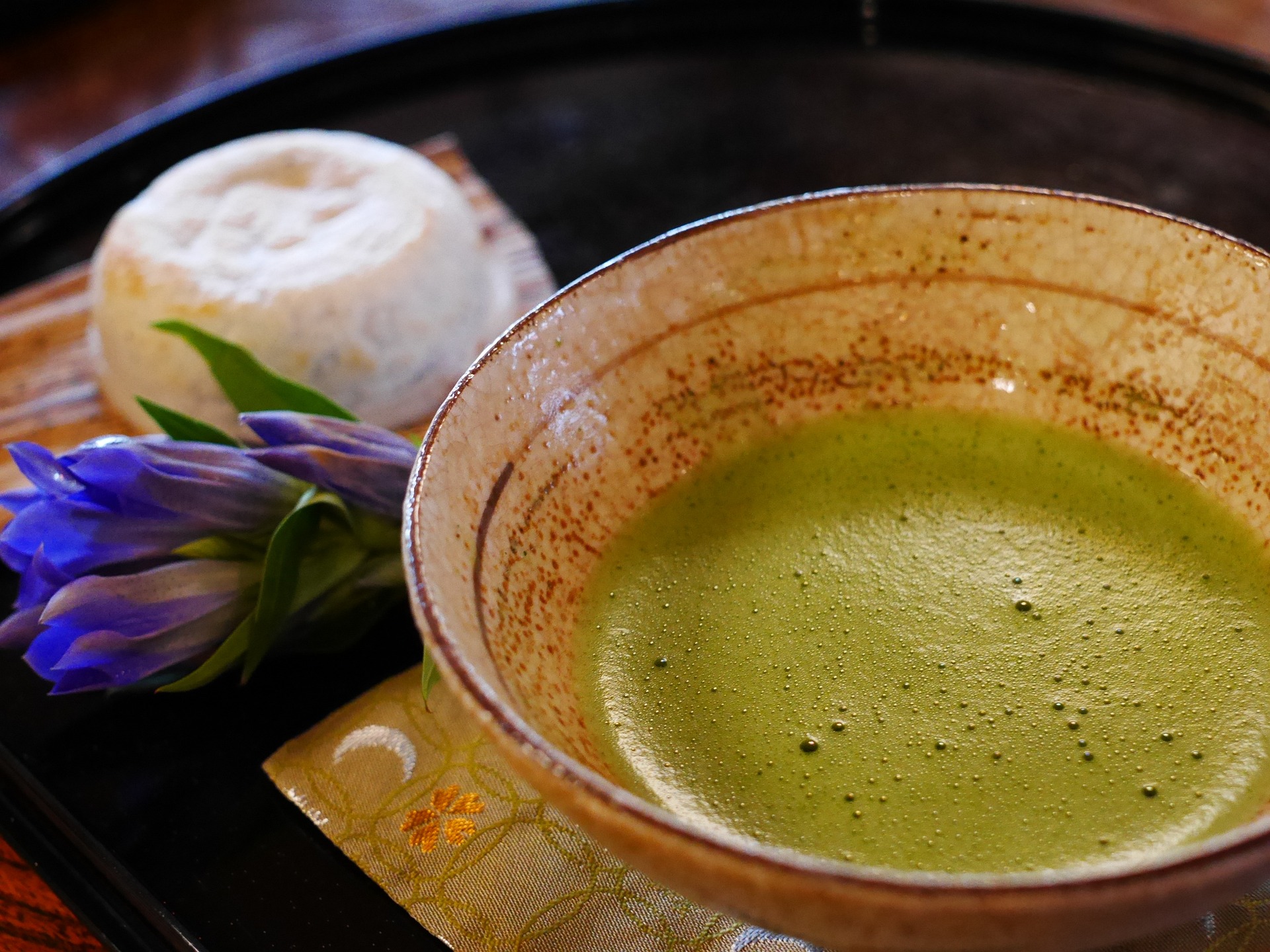
A 2024 Scientific Reports study used tea polysaccharides extracted from commercial black tea to form chitosan nanoparticles (CTNp) and tested them against major rice pathogens.
Approximately 119-nm chitosan nanoparticles
Dynamic light scattering measured an average diameter of 118.7 nm and a zeta potential of +33.1 mV.
Strong in-vitro antimicrobial activity

CTNp suppressed more than 90% of Pyricularia grisea hyphal growth and spore germination and inhibited Xanthomonas oryzae, outperforming bulk chitosan or tea polysaccharide alone under the tested conditions.
Detached leaves—not a field crop trial
The rice disease assay used leaves removed from 30-day-old plants, treated with CTNp and then inoculated with pathogens. Disease symptoms were strongly suppressed, but the study did not measure field disease control, crop yield or long-term plant performance. The authors explicitly call for field evaluation.
“Green synthesis” also does not automatically establish low life-cycle impact or simple pesticide regulation. Environmental fate, non-target effects and regulatory requirements remain separate questions.
For related context, see Can Nanomaterials Improve Cotton Verticillium Wilt Tolerance? PEI-MXene Quantum Dots and ROS Homeostasis.
For related context, see Agricultural Nanotechnology in 2026: Nano-Fertilizers and Nano-Pesticides Move from Efficacy to Safety and Regulation.
For related context, see Mustard Biofumigation Potential Varies by Cultivar: Nuttongii Reached 27.47 µmol/g AITC.
For related context, see Adding Chitin-Binding Domains to NaD1 Enhanced Antifungal and Insecticidal Activity in Tobacco.
Reference
- Sathiyabama M et al. Green synthesis of chitosan nanoparticles using tea extract and its antimicrobial activity against economically important phytopathogens of rice. Scientific Reports. 2024;14:7381. https://doi.org/10.1038/s41598-024-58066-y

Comments