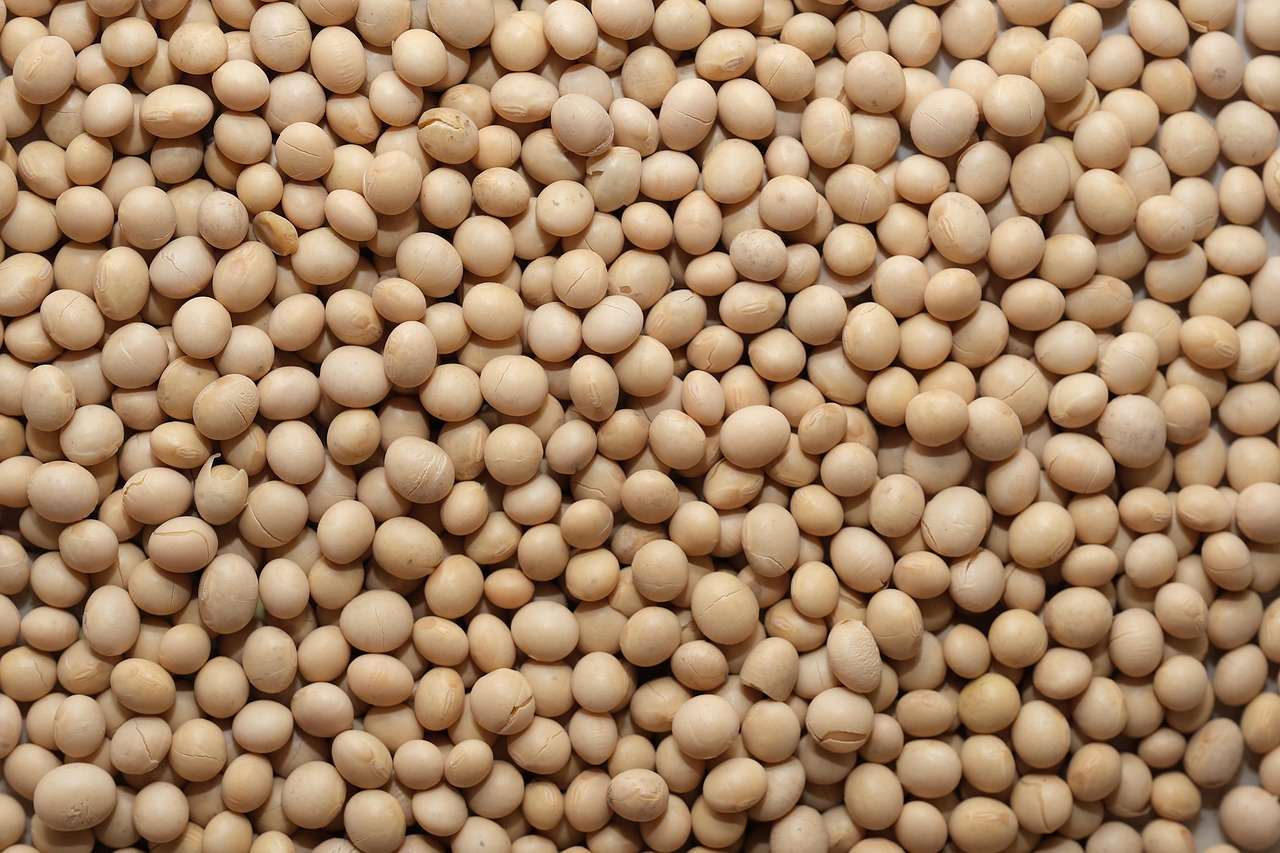
A 2025 Nature Communications study identified Seed Weight 14 (SW14), an NF-YA-family transcription factor that positively regulates soybean seed weight and protein content while negatively regulating oil content.
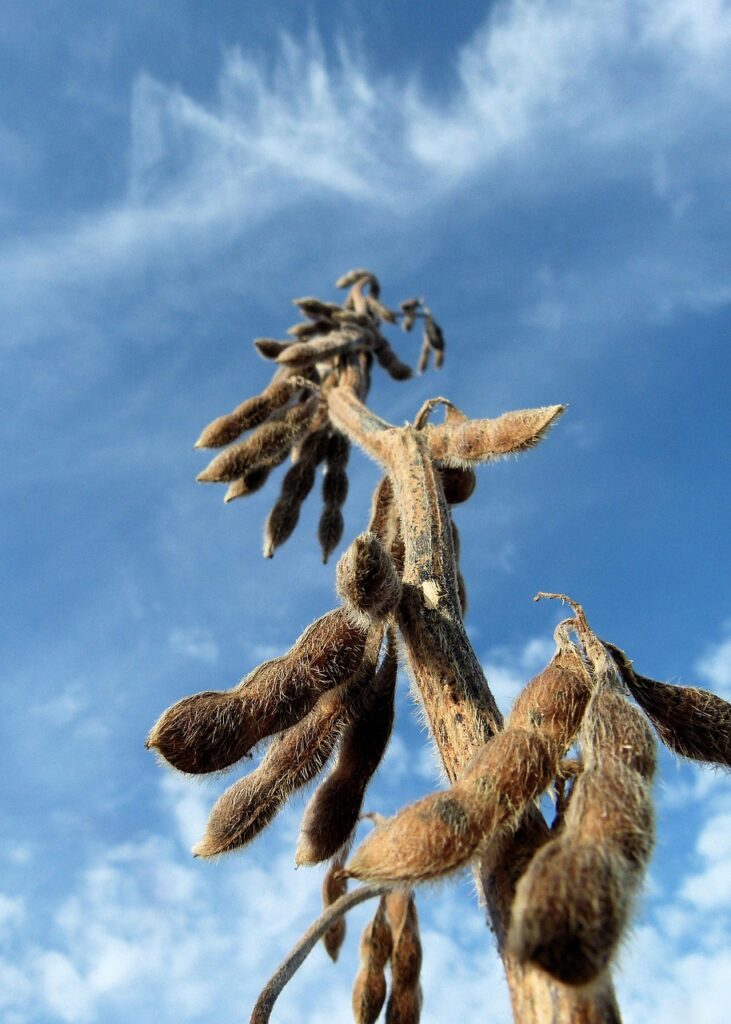
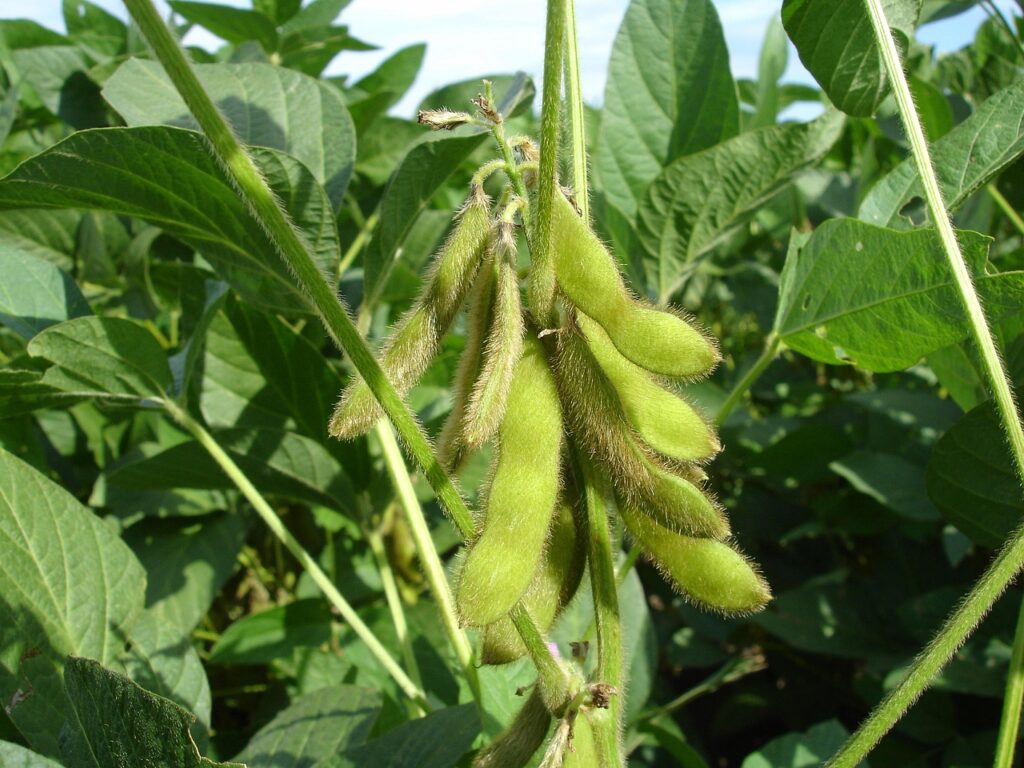
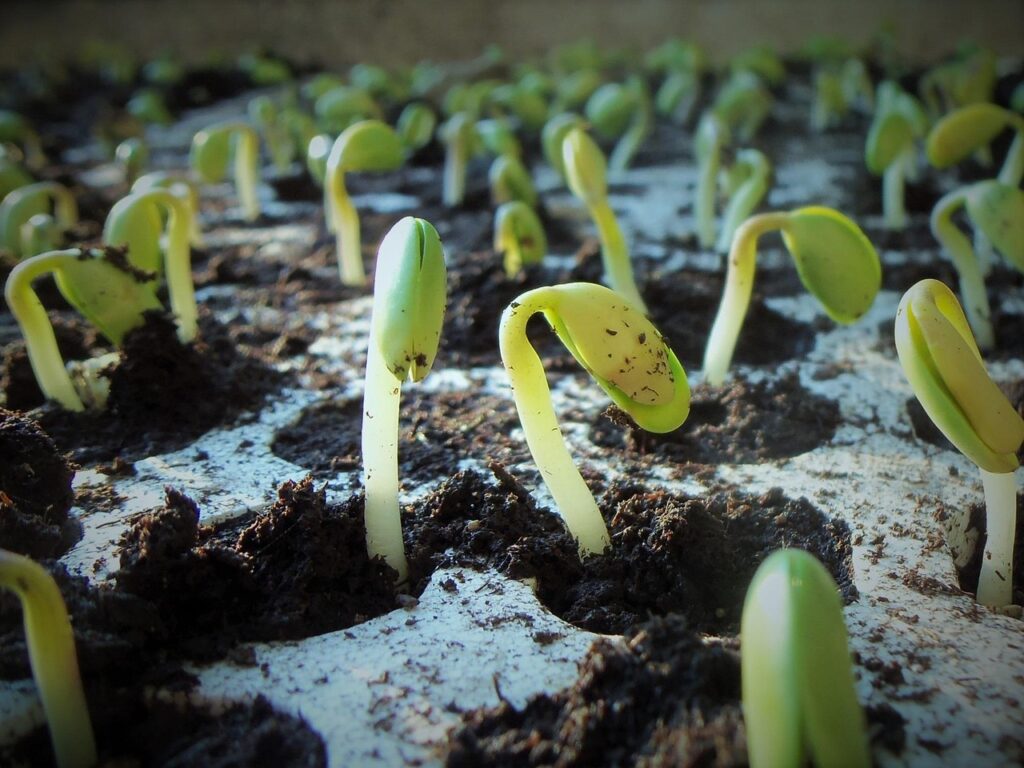
GWAS and QTL mapping converged on SW14
Population genetics, near-isogenic materials and functional experiments established a causal role for SW14 in seed traits rather than merely a statistical association.
SW14 interferes with a GmLEC1-containing regulatory complex
GmLEC1a/b normally participates with GmNF-YC2 and GmbZIP67 in a non-canonical NF-Y complex controlling seed-development transcription. SW14 physically interacts with GmLEC1a/b and disrupts formation of that complex.
Natural SW14 alleles alter SW14 protein stability, producing different balances of seed weight, protein and oil.
The study reports little effect on other major agronomic traits, but higher seed weight is not identical to demonstrated higher field plot yield. Seed number, genetic background, environment and end-use quality still matter.
SW14 therefore provides a mechanistically defined natural-variation target for soybean quality and seed-size breeding rather than a universal ‘more yield with no trade-off’ allele.
For related context, see How Are Japanese Soybeans Genomically Different? A 462-Accession Pangenome—and Two Author Corrections.
For related context, see Why Cultivated Soybean Pods Resist Shattering: Natural Mutations in Sh1 and Pdh1.
For related context, see Fertilization Opens a Nutrient Gate into the Seed: AtBG_ppap-Controlled Callose Changes Seed Size.
Reference
- Zhang C et al. Natural allelic variation in SW14 determines seed weight and quality in soybean. Nature Communications. 2025;16:8070. https://doi.org/10.1038/s41467-025-63582-0


Comments