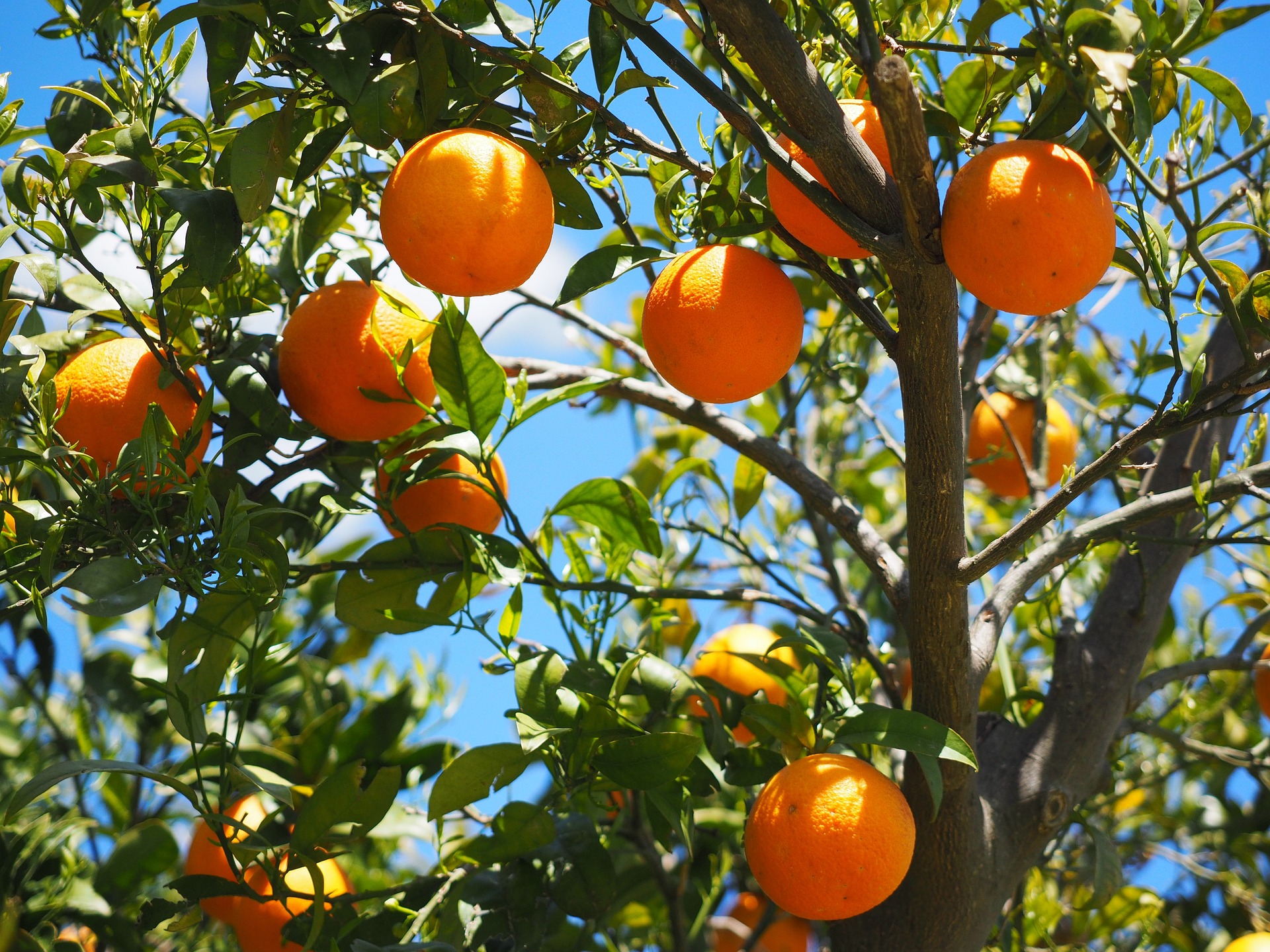
Breeding citrus that tolerates Huanglongbing (HLB) often requires introgression from materials such as Poncirus trifoliata, but disease tolerance can come with undesirable flavor. A 2024 Science Advances study dissected the chemical and genetic basis of orange flavor to make flavor recovery easier to select.
179 juice samples and 26 predictive compounds
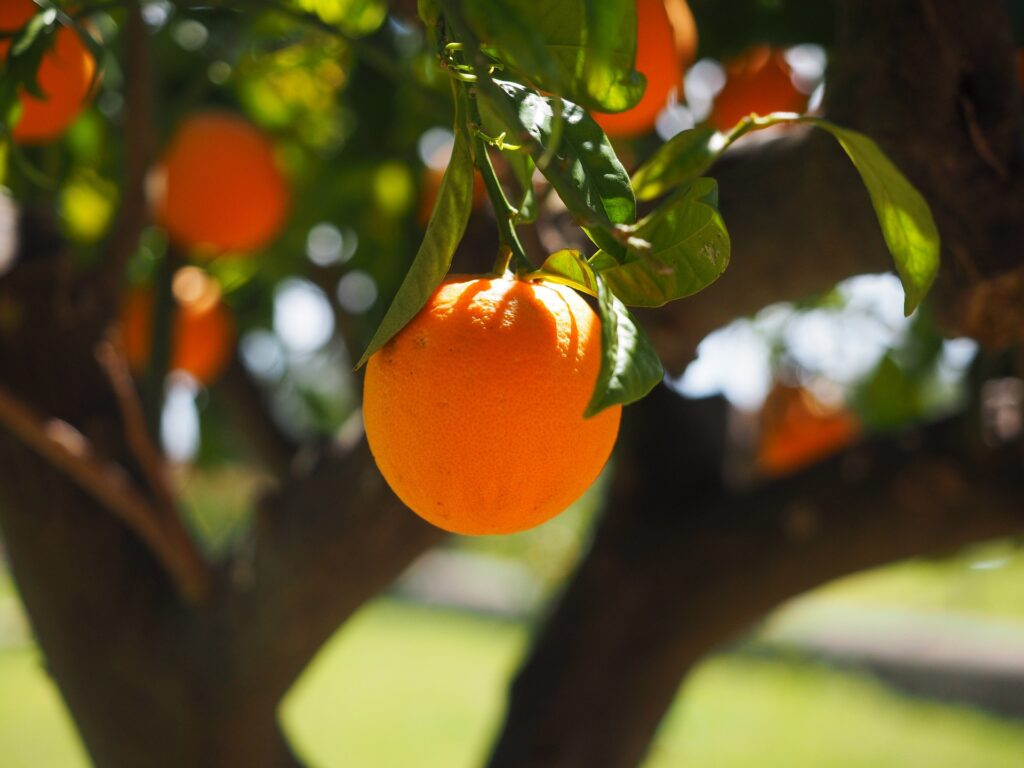
Sensory and volatile data from 179 samples spanning sweet orange, mandarin, Poncirus and hybrids were modeled with random forests. The model predicted orange flavor in untrained samples with 78% accuracy and identified 26 important compounds. Seven esters were especially important for distinguishing orange from mandarin flavor.
CsAAT1 controls key ester production
Transcriptomic analysis identified the alcohol acyltransferase CsAAT1. Transient overexpression in citrus fruit validated its role in ester production, and a coding-region SNP marker predicted the ester phenotype. The functional allele appears to have been inherited from pummelo.
CsAAT1 is not an HLB-resistance gene
The marker helps identify seedlings likely to recover orange-like flavor within HLB-tolerant breeding populations. It does not itself confer HLB tolerance.
The practical gain is time: seedlings can be screened before the long juvenile period ends and before fruit sensory testing becomes possible.
For related context, see U.S. Strawberry Yield Rose 2,755% Since 1960: Breeding and Production Technology Drove a Little-Known Green Revolution.
For related context, see What Controls Cucumber Pedicel Length? An EMS Mutant Points to Cytokinin-Dependent Cell Number.
For related context, see Why Cultivated Soybean Pods Resist Shattering: Natural Mutations in Sh1 and Pdh1.
Reference
- Fan Z et al. Chemical and genetic basis of orange flavor. Science Advances. 2024;10:eadk2051. https://doi.org/10.1126/sciadv.adk2051
Comments