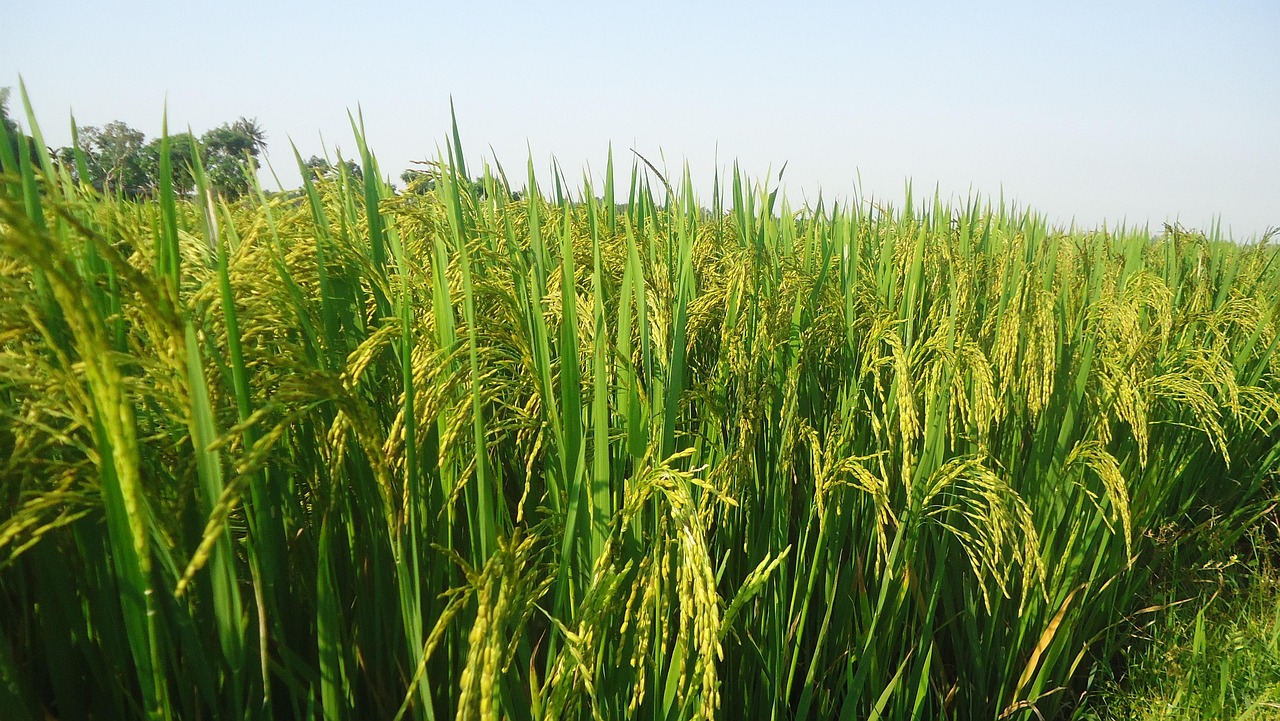
A 2025 Nature Communications study moved OsNLP4 from molecular genetics toward practical breeding evidence. Researchers introgressed an indica OsNLP4 allele into the elite japonica cultivar Xiushui134 (XS134) and tested near-isogenic lines across multiple Chinese field locations and nitrogen regimes.
Grain yield and nitrogen-use efficiency (NUE) increased by roughly 12–26%, depending on location and nitrogen treatment. This is stronger evidence than a seedling-only or greenhouse experiment, although performance still has to be validated in other japonica backgrounds and production systems.
- OsNLP4 is an upstream nitrate-responsive transcription factor
- Hefei trials showed about 25% higher yield
- Changxing: gains persisted across low, normal and high nitrogen
- Large-scale Hainan plots reproduced a 12.5–15.7% increase
- Three amino-acid changes strengthen NRE binding
- Nitrogen–iron synergy is not a universal fertilizer recipe
- References
OsNLP4 is an upstream nitrate-responsive transcription factor
OsNLP4 belongs to the NIN-LIKE PROTEIN family and binds nitrate-responsive elements (NREs) controlling nitrogen metabolism and iron-homeostasis genes. Three major coding SNPs distinguish the indica and japonica proteins and increase the NRE-binding affinity of the indica allele.
Hefei trials showed about 25% higher yield
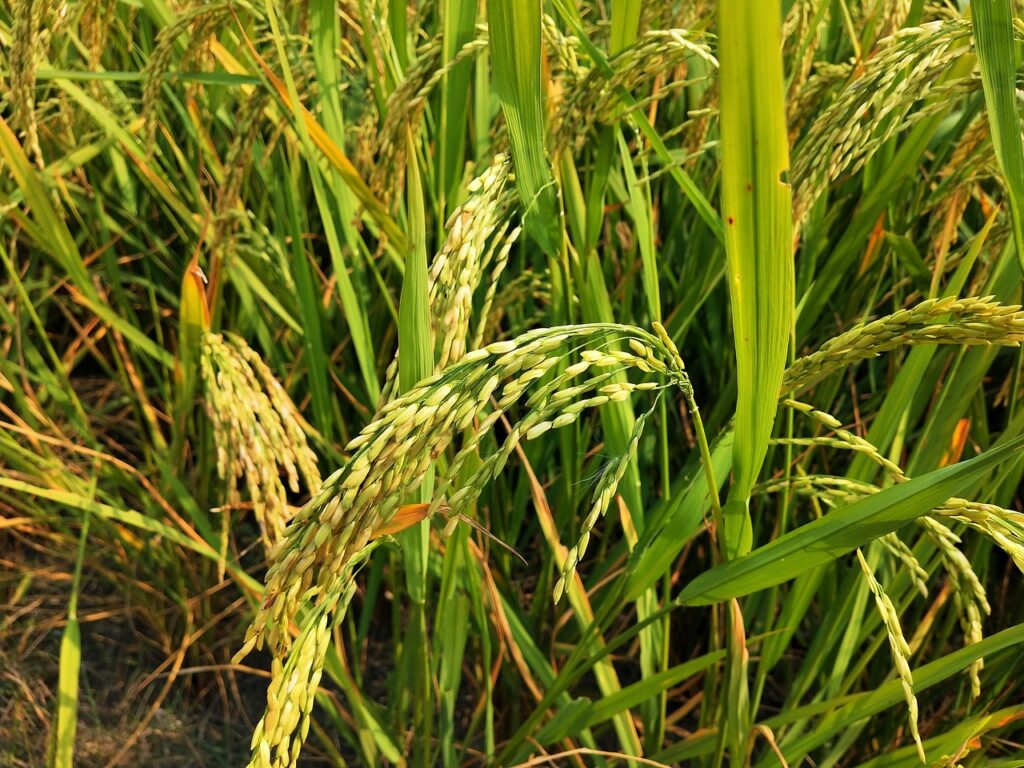
Near-isogenic XS134 lines carrying the indica allele showed greater nitrogen accumulation, more tillers and more grains per panicle. In the Hefei field trial, yield increased by an average of about 25%.
Changxing: gains persisted across low, normal and high nitrogen
At Changxing, plot yield increased by 21.1%, 25.8% and 20.1% under low, normal and high nitrogen treatments. NUE improved by similar percentages.
This matters because the allele did not work only under one extreme fertilizer condition.
Large-scale Hainan plots reproduced a 12.5–15.7% increase
At Lingshui, Hainan, 66-m² plots with roughly 1,700 plants per replicate showed 12.5% higher yield under low nitrogen and 15.7% under the local higher-nitrogen regime. The authors report similar gains in additional independent large-scale field experiments.
The result therefore qualifies OsNLP4indica as a field-validated breeding allele in this japonica background.
Three amino-acid changes strengthen NRE binding
Microscale thermophoresis measured a dissociation constant of about 1.099 µM for the indica protein versus 3.135 µM for japonica OsNLP4, consistent with stronger NRE binding and stronger activation of nitrogen- and iron-related downstream genes.
Nitrogen–iron synergy is not a universal fertilizer recipe
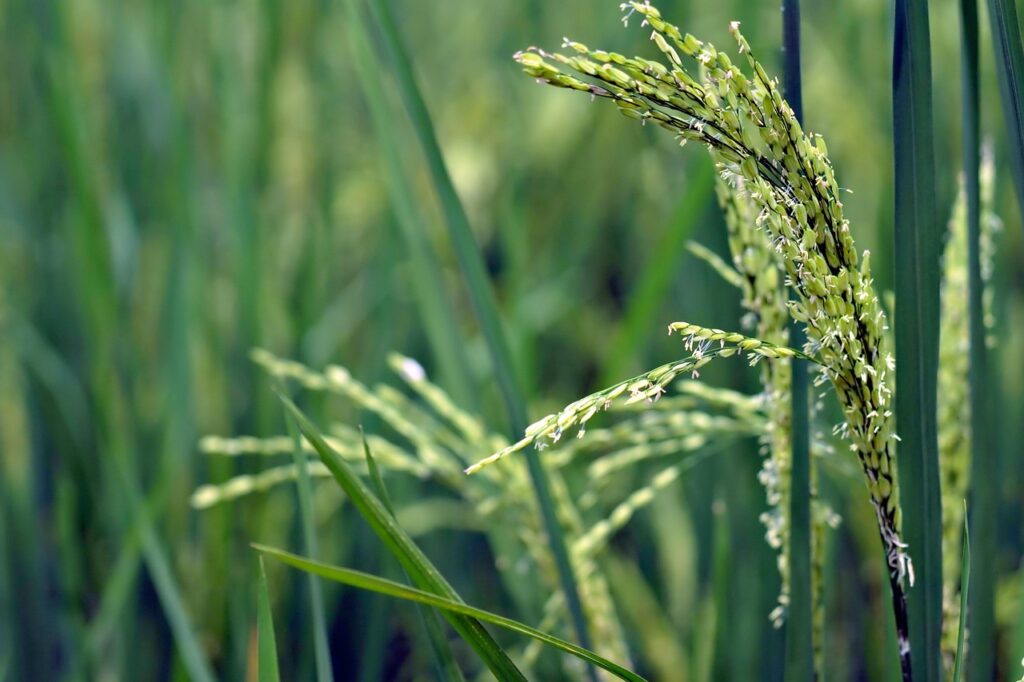
The study also found further NUE gains under balanced nitrogen–iron conditions. Soil iron availability, however, depends strongly on pH, flooding and soil chemistry. The experimental result should not be translated directly into a generic iron-fertilizer recommendation.
The next breeding question is genotype-by-environment validation in other elite japonica cultivars, including grain quality, lodging, maturity and disease traits. Even so, multi-location yield and NUE improvement makes this a notably mature candidate compared with many gene-discovery studies.
For related context, see Why Cultivated Soybean Pods Resist Shattering: Natural Mutations in Sh1 and Pdh1.
For related context, see How Are Japanese Soybeans Genomically Different? A 462-Accession Pangenome—and Two Author Corrections.
For related context, see Crop Diversification Reshapes Peanut Root Exudates and Soil Microbes to Increase Nitrogen Fixation.
For related context, see GWAS of Maize Brace Roots Identified 22 SNPs and 50 Candidate Genes for Lodging-Related Traits.
References
- Wu J et al. Nature variations of OsNLP4 responsible for nitrogen use efficiency divergence in the two rice subspecies. Nature Communications. 2025;16:7681. https://doi.org/10.1038/s41467-025-63109-7
- Hu B et al. Variation in NRT1.1B contributes to nitrate-use divergence between rice subspecies. Nature Genetics. 2015. https://doi.org/10.1038/ng.3337

Comments