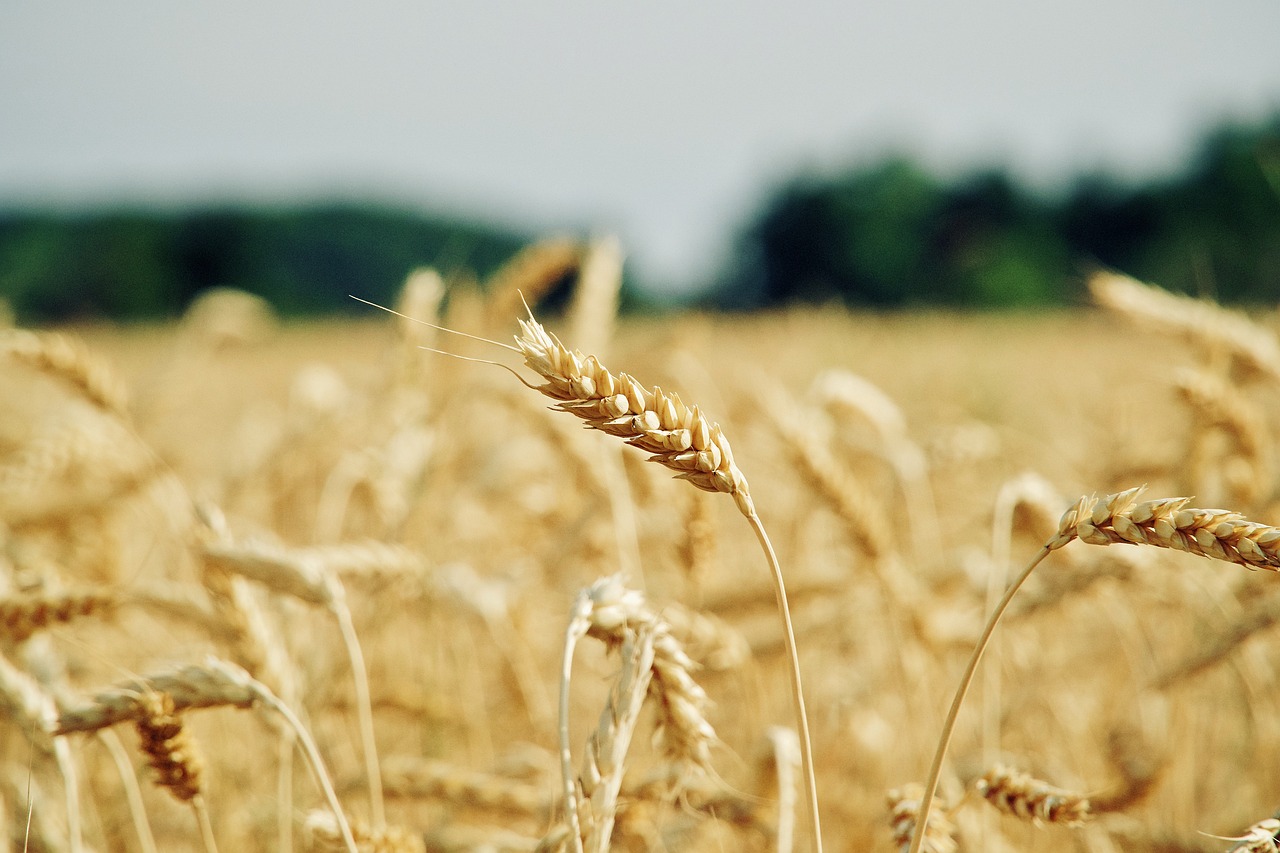
A 2024 Heredity review described wheat improvement as a convergence of genomic resources, germplasm diversity, genome editing and accelerated breeding—while highlighting the persistent difficulties of a large hexaploid genome, gene redundancy, transformation and regulation.
Since then, the regulatory landscape has changed substantially. England implemented the Genetic Technology (Precision Breeding) Regulations 2025 on 13 November 2025, and the European Union adopted Regulation (EU) 2026/1388 for certain new genomic technique (NGT) plants in June 2026.
Hexaploid wheat carries A, B and D subgenomes
Bread wheat contains three related subgenomes, so many genes have multiple homeologous copies. Editing one copy may be buffered by the others, and some traits require simultaneous manipulation of several homeologs.
The same complexity also provides diversity. Pangenomes, landraces and wild relatives are increasingly used to identify alleles missing from elite breeding pools.
Genome editing is only one step in a breeding pipeline
A successful CRISPR edit still has to pass transformation/regeneration, event selection, off-target assessment, agronomic testing and inheritance/fixation. Tissue-culture genotype dependence has been a major practical constraint in wheat.
DNA-free editing, haploid-induction approaches, prime editing and related methods aim to make editing more precise and easier to integrate into breeding.
England implemented a dedicated precision-breeding route in November 2025
The Genetic Technology (Precision Breeding) Regulations 2025 apply in England and came into force on 13 November 2025. A precision-bred plant must meet criteria including that the genetic features produced using modern biotechnology could have arisen through traditional processes.
Release and marketing notices are required, and precision-bred food or feed also needs Food Standards Agency authorization. The system is therefore a distinct regulatory route, not an absence of regulation.
The EU adopted Regulation 2026/1388 for certain NGT plants
Regulation (EU) 2026/1388 was adopted on 17 June 2026 and published on 26 June. It creates specific rules for plants obtained by certain targeted mutagenesis and cisgenesis/intragenesis approaches.
The Regulation entered into force in July 2026, but most provisions apply from 17 July 2028, with some implementation-related articles applying earlier. As of August 2026, the EU is therefore in the implementation-preparation period.
Breeding speed is not determined by editing speed alone
Climate resilience, disease resistance, quality and nutrient-use efficiency create urgent targets for wheat breeders. Genomics and editing can accelerate discovery, but multi-location field testing, seed multiplication, variety registration and regulatory compliance still determine how quickly a result becomes a cultivar.
The 2026 frontier is therefore not simply whether wheat DNA can be edited, but how genomic diversity, editing and field breeding can be combined into reliable crop-development pipelines.
For related context, see How Much “Breeding” Happened in This AI Breeding Study? Reading a Synthetic-Data bioRxiv Proof of Concept.
For related context, see Tomato MiMe Combines Four Grandparent Haplotypes into a Designed 4-Hap Tetraploid.
For related context, see Why Cultivated Soybean Pods Resist Shattering: Natural Mutations in Sh1 and Pdh1.
References
- Facts, uncertainties, and opportunities in wheat molecular improvement. Heredity. 2024. https://doi.org/10.1038/s41437-024-00721-1
- UK Government, Precision bred plants: releasing and marketing. https://www.gov.uk/government/publications/precision-bred-plants-releasing-and-marketing
- Regulation (EU) 2026/1388. https://eur-lex.europa.eu/eli/reg/2026/1388/oj

Comments