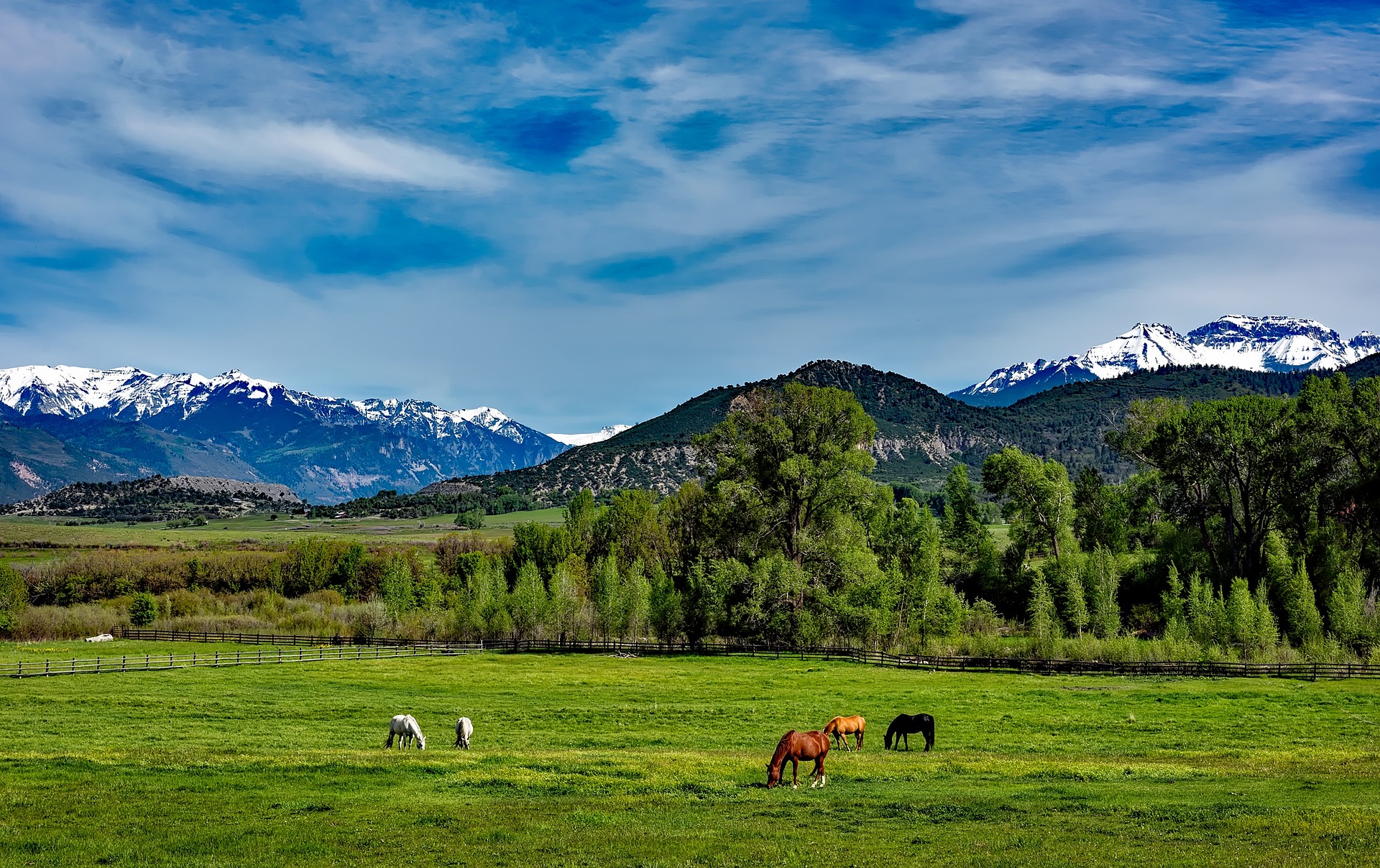
Silvopasture intentionally manages trees, forage and livestock on the same land. A 2024 Scientific Reports study compared long-managed silvopasture sites with non-grazed managed ponderosa pine forests in Washington State.
Across 16 fixed-radius plots, silvopasture sites had lower grass biomass, litter and duff depth, along with shorter perennial grasses.
Fuel load, not wildfire occurrence

The study did not experimentally burn sites or measure long-term wildfire incidence. It measured vegetation and surface fuels that can influence potential fire behavior. The evidence therefore supports fuel reduction, not a guaranteed reduction in wildfire occurrence.
Rotational silvopasture is not continuous grazing
The studied systems used rotational grazing for roughly 15–20 days per year and had also been thinned. Continuous unrestricted grazing can produce very different ecological effects.
Silvopasture may combine fuel management with livestock production, but economic outcomes depend on the trade-off between forage, stocking capacity and timber value.
For related context, see Can Tannins Reduce Cattle Methane? Four Purified Forage Extracts Cut In-Vitro CH4 by Up to 15%.
For related context, see When Does Tree Planting Stop Cooling the Climate? Albedo Accounting Across 172 Carbon-Market Projects.
For related context, see Why Are So Many Yakushima Alpine Plants Dwarf? Deer Grazing Explains Assemblage-Level Evolution.
Reference
- Batcheler M et al. Assessing silvopasture management as a strategy to reduce fuel loads and mitigate wildfire risk. Scientific Reports. 2024;14:5954. https://doi.org/10.1038/s41598-024-56104-3

Comments