
A 2024 Scientific Reports study did not build a structure entirely from plant fibers. Instead, it embedded natural-fiber mats and felts as insulating layers inside a fly-ash-based geopolymer matrix.
Nine natural fiber/material types were screened, with thermal conductivities generally around 0.031–0.052 W/m·K. Coconut mat and flax–hemp felt were selected for layered prototype panels.
Up to 41% lower thermal conductivity
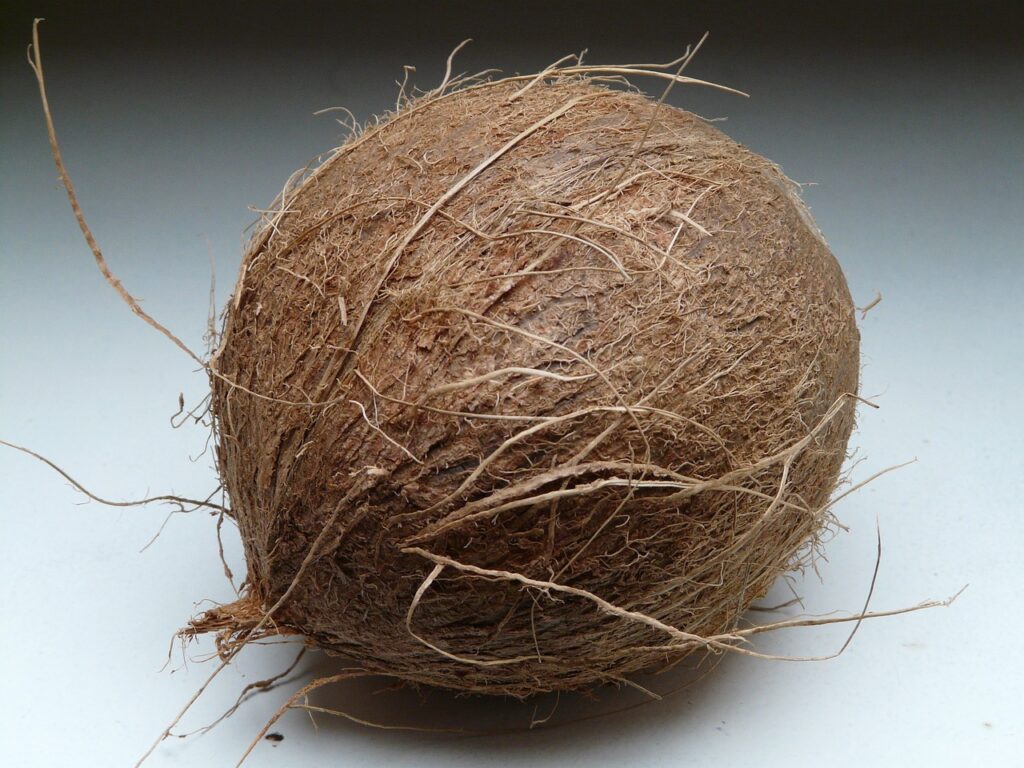
A 15 × 15 × 5 cm panel containing four coconut mats and 8-mm composite bars had 22% lower density and up to 41% lower thermal conductivity than the reference geopolymer. Other configurations achieved reductions around 36%.
The improvement largely reflects replacement of higher-conductivity geopolymer volume with low-conductivity insulating layers.
No full building carbon assessment yet
The study primarily measured density and thermal performance. It did not perform a full life-cycle assessment or demonstrate building-scale energy savings. Fire resistance, frost durability, acoustics, mechanical longevity and application testing are identified as future work.
For related context, see 3D-Printing Wood from Lignin and Cellulose: 200-µm DIW and Hot-Pressed Flexural Performance Beyond Balsa.
For related context, see Nanocellulose Fibers Retain Strength When Wet: Toward Cotton-Like All-Cellulose Filaments.
For related context, see When Does Tree Planting Stop Cooling the Climate? Albedo Accounting Across 172 Carbon-Market Projects.
Reference
- Bąk A et al. Basic research on layered geopolymer composites with insulating materials of natural origin. Scientific Reports. 2024;14:12576. https://doi.org/10.1038/s41598-024-63442-9


Comments