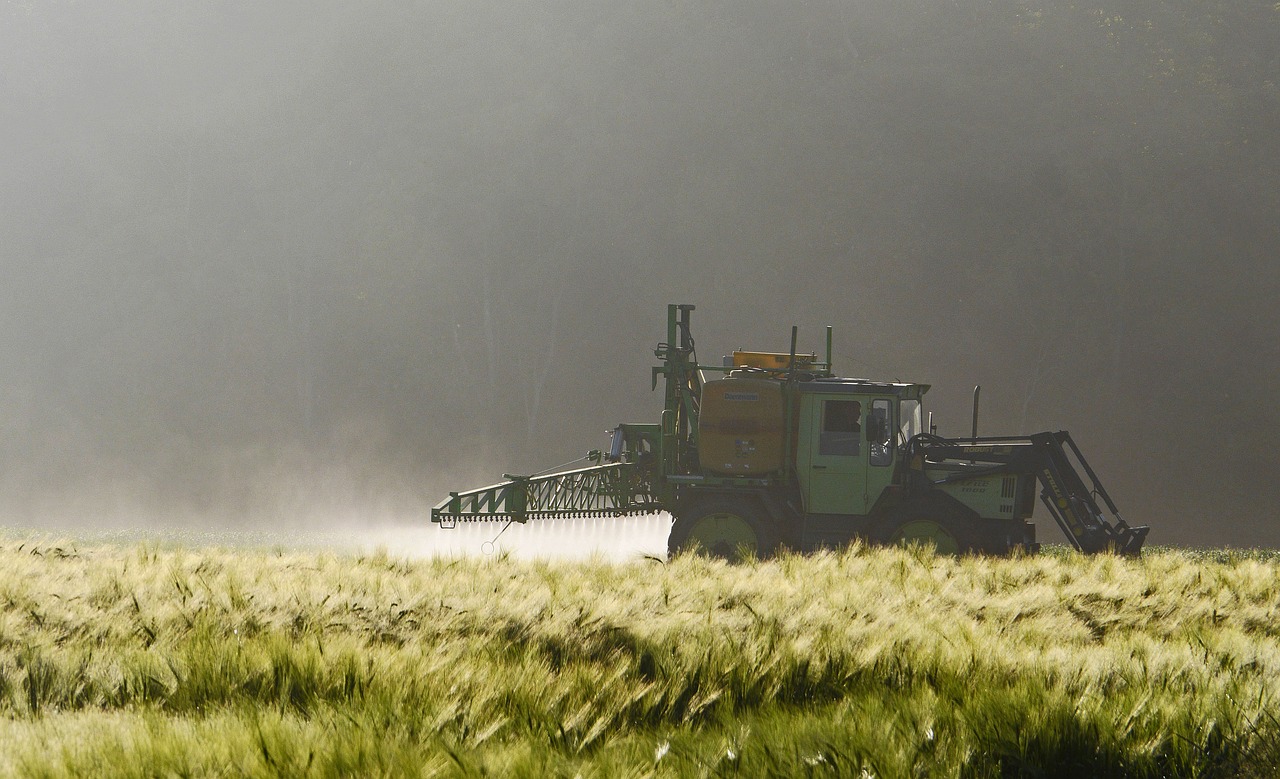
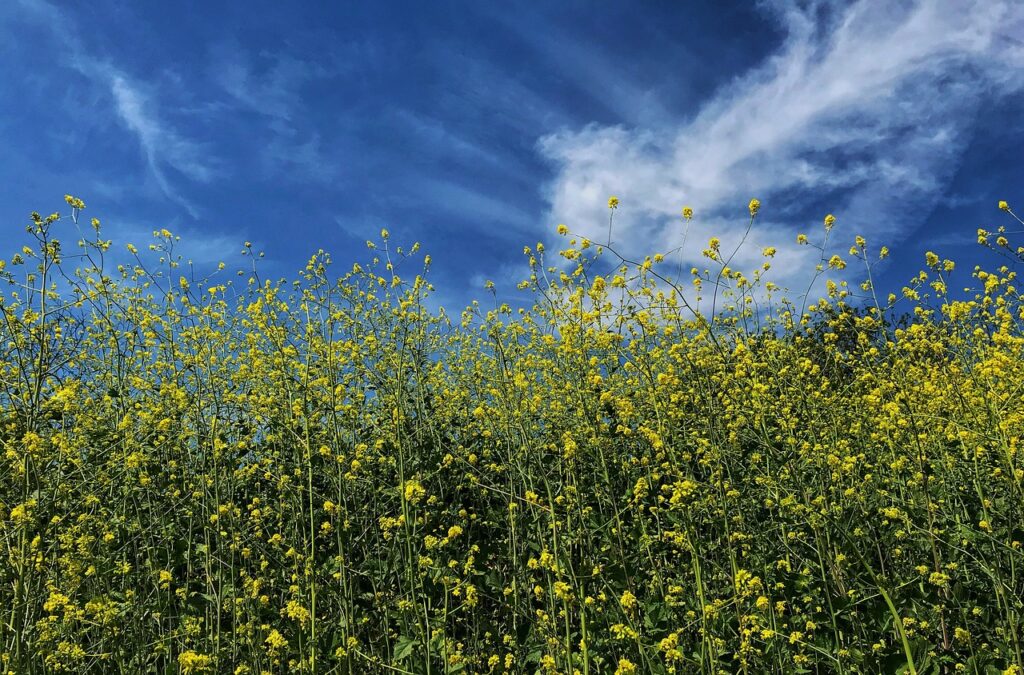
When Brassica tissue is damaged, glucosinolates are hydrolyzed by myrosinase into isothiocyanates and other products. A 2024 Scientific Reports study compared South Korean leaf-mustard cultivars to determine how cultivar chemistry changes allelopathic potential.
Sinigrin does not automatically become AITC
Eight locally bred cultivars plus Dolsan control differed in glucosinolate concentration, myrosinase activity and the partitioning of hydrolysis products between allyl isothiocyanate (AITC) and nitriles. Mekomi had the highest sinigrin concentration, whereas Nuttongii had the highest AITC concentration at 27.47 ± 6.46 µmol/g.
Nuttongii strongly inhibited lettuce in an agar bioassay
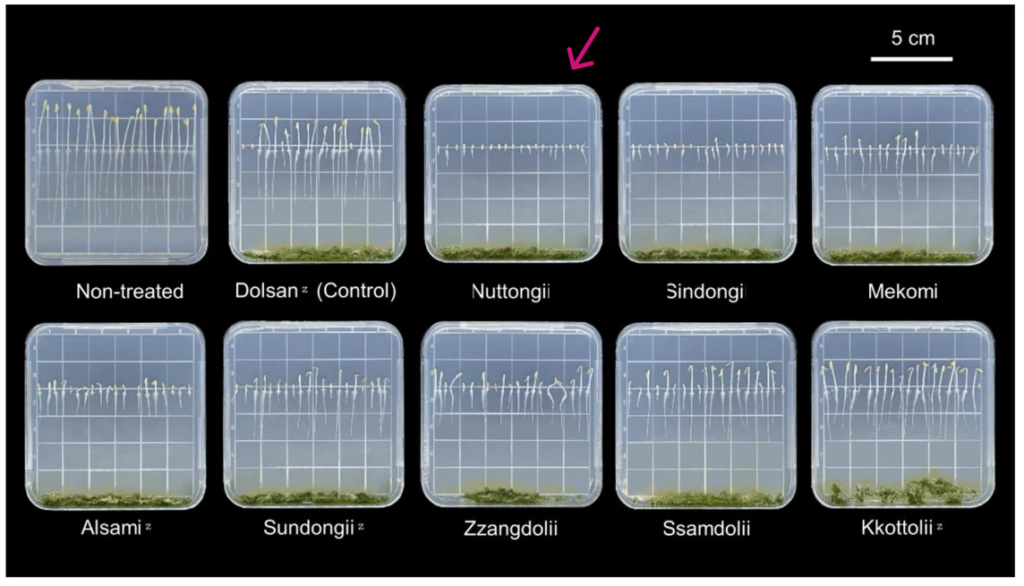
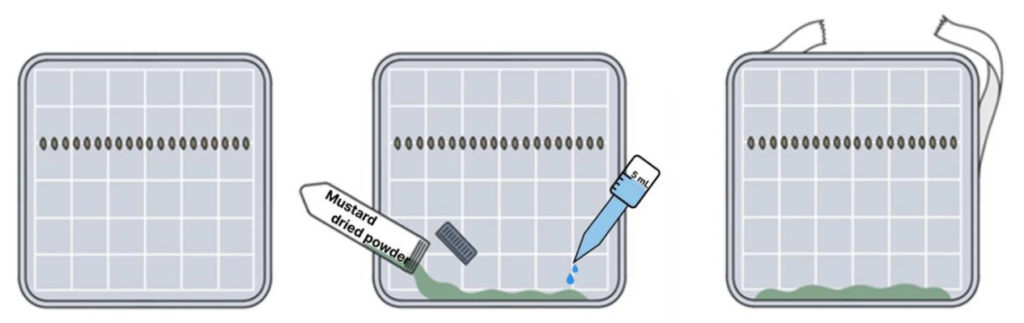
Freeze-dried mustard material was tested against lettuce germination and seedling growth. Nuttongii combined high AITC with strong inhibition.
This was a laboratory allelopathy assay, not a field biofumigation trial measuring weed control and crop yield. “Plant-derived” also does not mean zero environmental effect: AITC can affect crops, microbes and other non-target organisms depending on dose and soil conditions.
The key practical lesson is that cultivar selection matters because glucosinolate chemistry and hydrolysis fate—not just mustard biomass—control biofumigation potential.
For related context, see Turmeric-Leaf Seed Priming Raised Chickpea Germination to 94.5% and Field Yield by Up to 16%.
For related context, see Tea Polysaccharides Help Form Chitosan Nanoparticles That Suppress Rice Pathogens In Vitro and on Detached Leaves.
For related context, see What Does Plant Resistance Mean? Maize–Mite Interactions Explain Antixenosis, Antibiosis and Tolerance.
For related context, see Photonic Fence Intercepts Mosquitoes and Citrus Psyllids with a Laser at 30 Meters.
Reference
- Ko DY et al. Turning glucosinolate into allelopathic fate: investigating allyl isothiocyanate variability and nitrile formation in eco-friendly Brassica juncea from South Korea. Scientific Reports. 2024;14:15423. https://doi.org/10.1038/s41598-024-65938-w

Comments