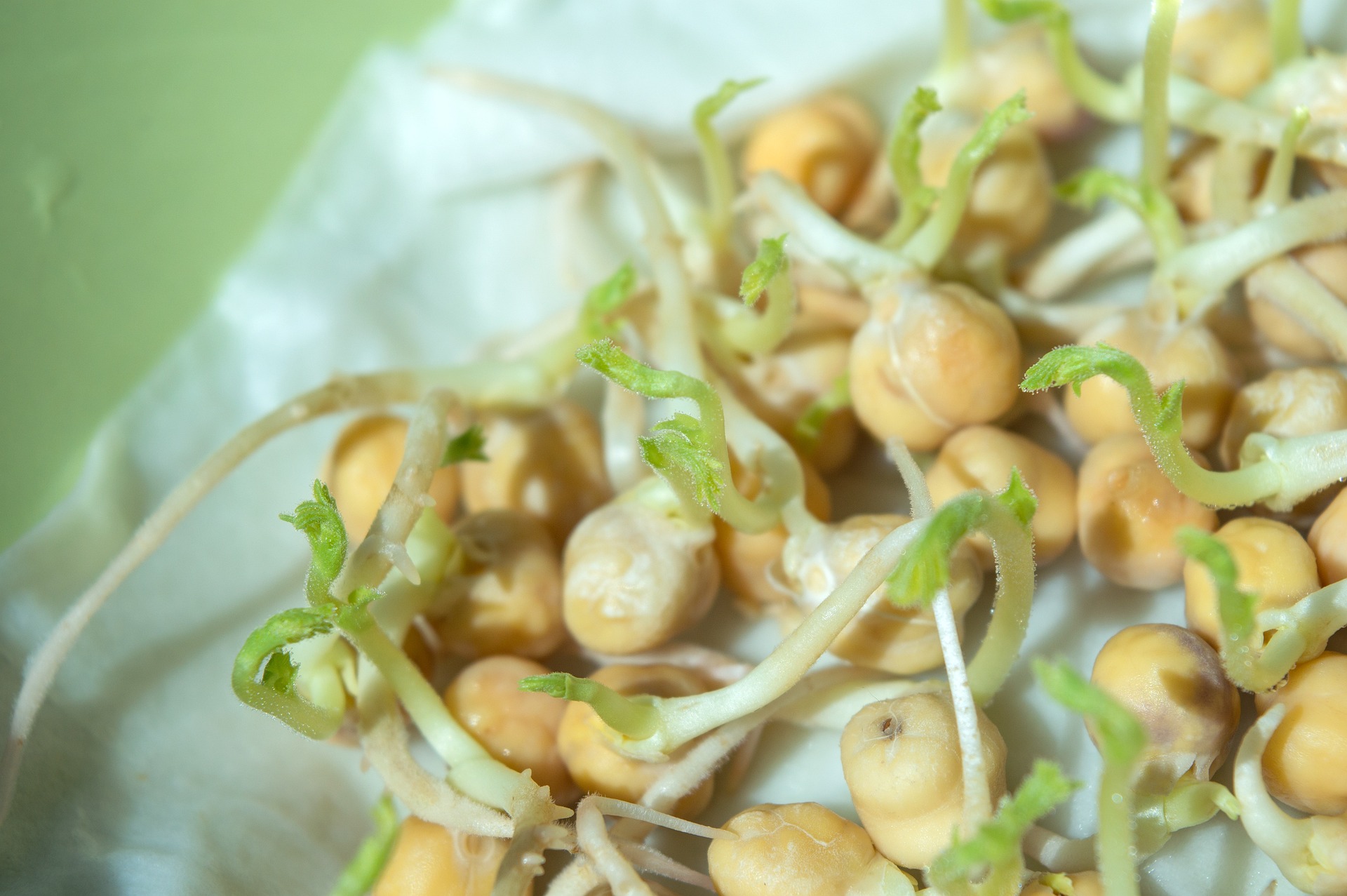
A 2024 Scientific Reports study compared 1% turmeric-leaf extract, 1% neem-leaf extract, hydropriming and Bavistin treatment in chickpea cultivar PG-186.
Bavistin is a fungicide, not an antibiotic
Seeds were primed for 18 hours at 20 ± 1°C and 80–85% RH, then air-dried for 48 hours. Bavistin served as a conventional fungicidal seed-treatment comparator.
Turmeric priming increased germination to 94.5%
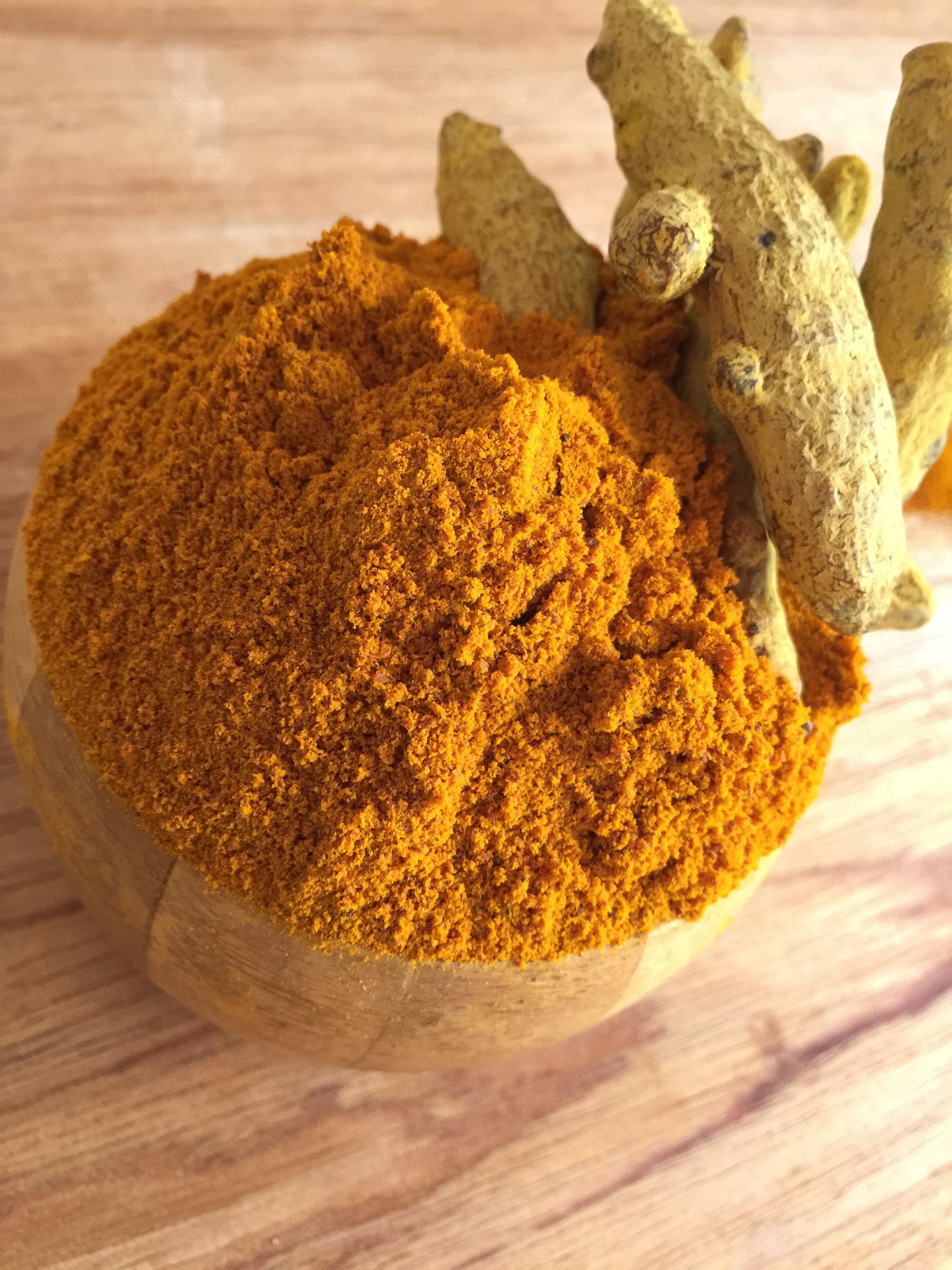
Germination reached 94.5% versus 82.5% in the untreated control. Seedling length, vigour indices and several hydrolytic enzyme activities also improved, while lipid-peroxidation marker MDA declined.
Field yield increased by up to ~16%
A randomized complete-block field trial with eight replicates compared control, Bavistin and turmeric priming. Turmeric priming improved field emergence and multiple yield traits, with grain yield up to about 16% above control.
The result is promising but comes mainly from one cultivar and one experimental context. Plant-extract composition varies with source and preparation, so multi-location and multi-cultivar replication plus standardized formulation and cost/environmental analysis are still needed.
For related context, see Do Magnetic and Electric Fields Improve Soybean Germination? A Four-Cultivar Study Found Inconsistent Effects.
For related context, see Mustard Biofumigation Potential Varies by Cultivar: Nuttongii Reached 27.47 µmol/g AITC.
For related context, see Bacteria Make the Plant Hormone IAA Too: Auxin as a Plant–Microbe Communication Signal.
Reference
- Kaushal K et al. Physio-biochemical responses and crop performance analysis in chickpea upon botanical priming. Scientific Reports. 2024;14:9342. https://doi.org/10.1038/s41598-024-59878-8

Comments