“Plant resistance” is not one universal property. Resistance to pathogens, arthropod pests, herbicides, drought and salinity involve different biology.
A 2024 Scientific Reports study provides a useful case study: three maize inbred lines were exposed to a generalist and a specialist spider mite, and their immediate behavior and later oviposition were measured. The experiment helps explain why arthropod resistance should be separated into mechanisms such as antixenosis, antibiosis and tolerance.
Resistance can mean avoidance, poor performance or damage tolerance
In host-plant resistance to arthropods:
- Antixenosis means the pest avoids or uses the plant less.
- Antibiosis means the pest feeds but grows, survives or reproduces poorly.
- Tolerance means the plant suffers relatively little performance loss despite attack.
A crop can therefore be called resistant for very different reasons.
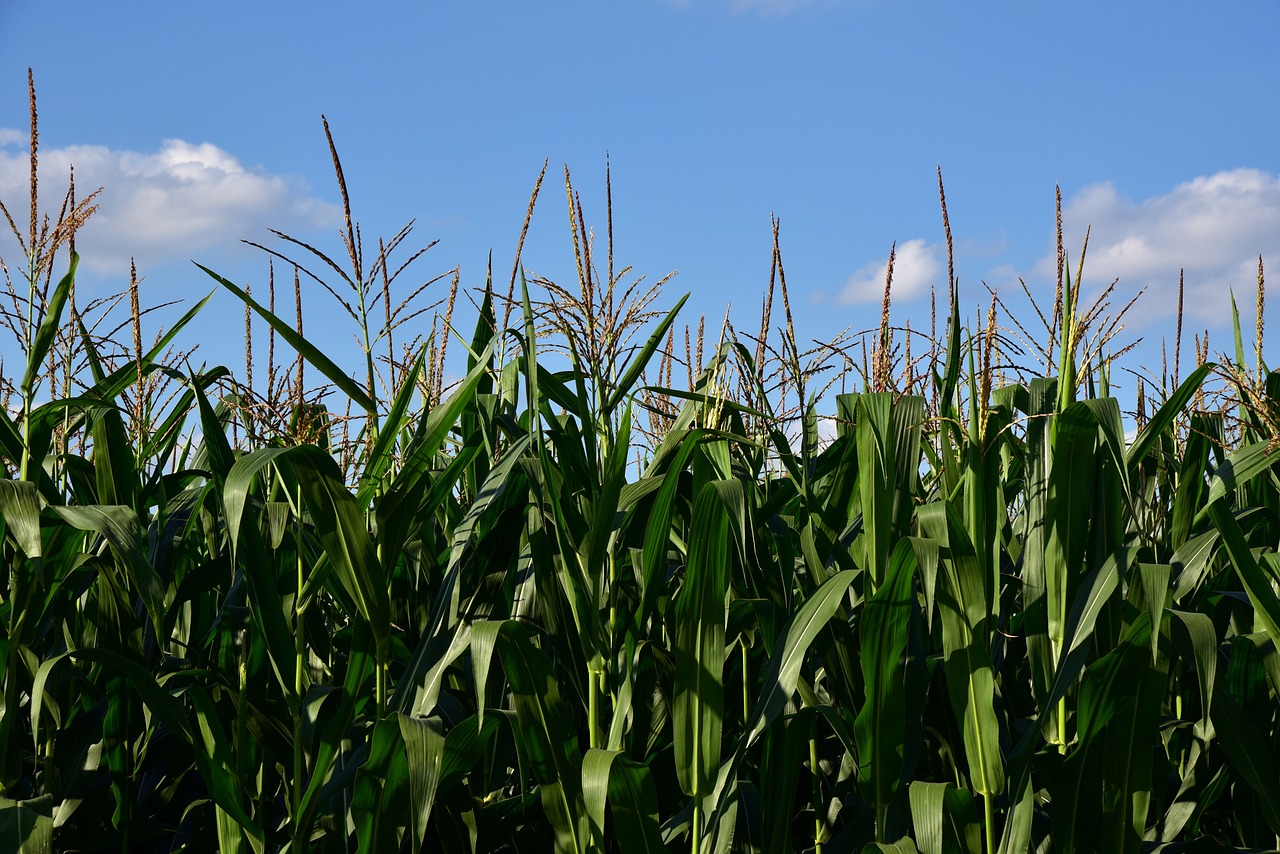
The study compared B73, B75 and B96 maize
Susceptible B73 and mite-resistant B75/B96 leaf arenas were exposed to the generalist two-spotted spider mite (Tetranychus urticae, TSM) or the more specialized Banks grass mite (Oligonychus pratensis, BGM). Video tracking recorded walking, probing, feeding, resting and web building during the first hour; oviposition was recorded after 72 hours.
B75 reduced feeding time in both mite species. The generalist TSM also showed reduced oviposition and changed resting/web-building behavior on resistant lines, whereas the specialist BGM did not show the same oviposition response.
Generalists and specialists can respond differently to the same plant defenses
Maize defense compounds such as benzoxazinoids can strongly affect some generalists, while specialists adapted to grasses may tolerate or bypass parts of the same defense system. Resistance is therefore an interaction between plant traits and pest biology—not a single scalar “defense strength.”
Short-term behavior helps reveal mechanism
Tracking the first hour after introduction can reveal constitutive or very rapidly induced defenses before longer-term population effects dominate. It helps distinguish “the pest does not want to feed here” from “the pest feeds but later performs poorly.”
The terminology also should not be transferred casually to other stress types. Pathogen resistance relies on immune-recognition frameworks, whereas drought and salt responses are often discussed as stress tolerance. Always define the stressor and the measured phenotype.
For related context, see Why Plants Can Survive Below Freezing: Supercooling, Ice Nucleation and Extracellular Freezing.
For related context, see Can Nanomaterials Improve Cotton Verticillium Wilt Tolerance? PEI-MXene Quantum Dots and ROS Homeostasis.
For related context, see Barley NAC Genes Through a Pan-Genome Lens: 127–149 Genes Across 20 Genomes.
Reference
- Gill GS et al. Short-term responses of spider mites inform mechanisms of maize resistance to a generalist herbivore. Scientific Reports. 2024;14:19607. https://doi.org/10.1038/s41598-024-70568-3

Comments