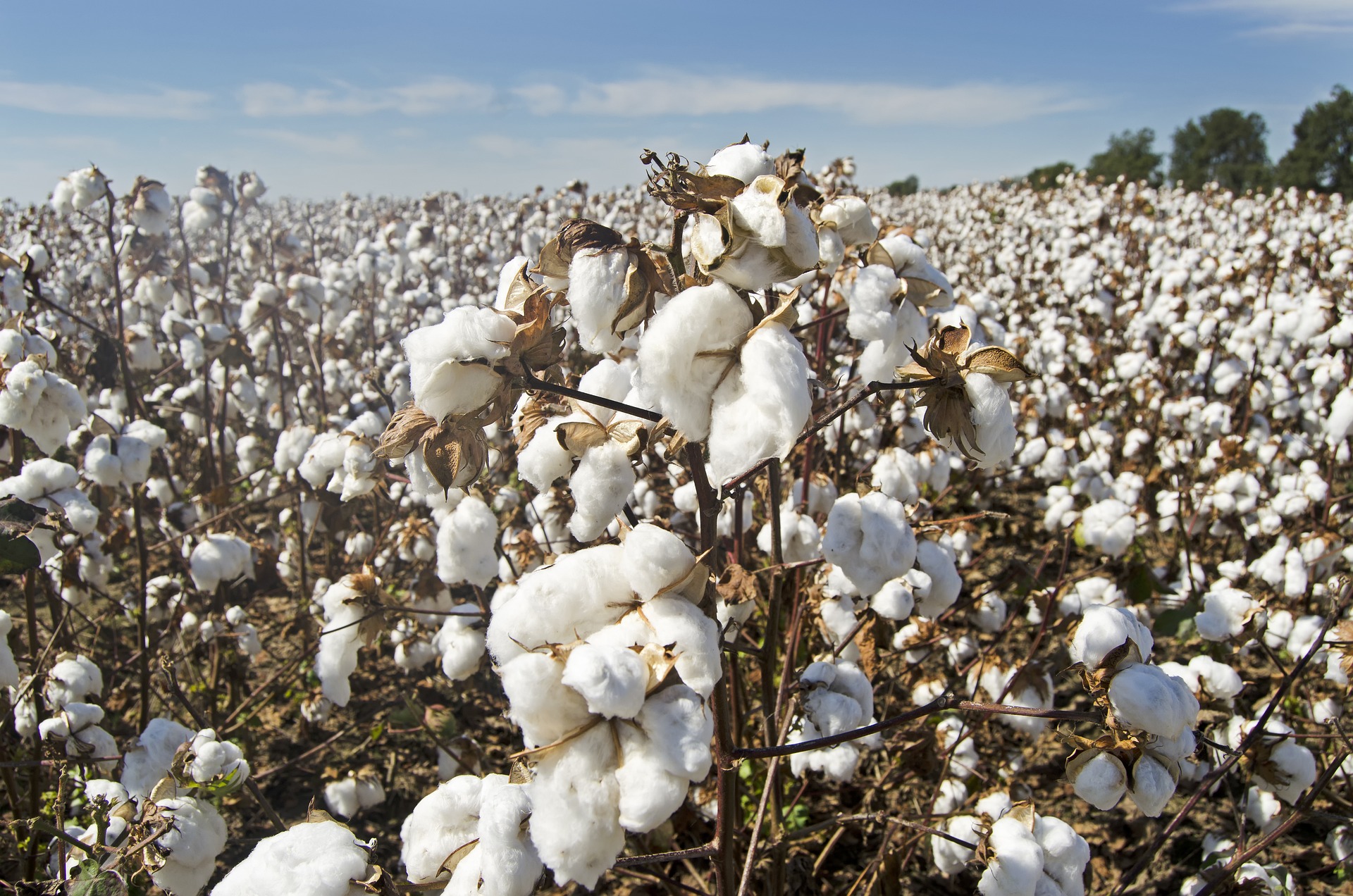
A 2023 Nature Communications study combined pathogen genomics with nanomaterials to investigate cotton Verticillium wilt. The researchers identified a virulence mechanism in Verticillium dahliae and tested polyethyleneimine-coated MXene quantum dots (PEI-MQDs) as ROS-scavenging materials.
Infection stage II is associated with a ROS burst

Comparative genomics of the highly virulent V991 isolate and the nondefoliating 1cd3-2 isolate identified the V991-specific secreted-protein gene SP3. Deleting SP3 reduced virulence and triggered less ROS production in cotton.
The result suggests that excessive ROS during infection can become part of disease progression rather than functioning only as a host-defense signal.
PEI-MQDs improved ROS homeostasis

PEI-MQDs can scavenge ROS. Treated cotton seedlings showed higher peroxidase, catalase and glutathione-peroxidase activities, improved ROS homeostasis and greater tolerance to V. dahliae.
This is therefore not simply a nanoparticle that directly kills the fungus. The intervention modifies the host redox environment.
It is not yet a field-ready pesticide

The study demonstrated effects in experimental cotton seedlings. Field-scale efficacy, long-term plant effects, soil fate, persistence, non-target impacts and production economics remain separate questions.
The paper is a useful example of plant pathology and materials science being integrated around a mechanistic target, while the agricultural product-development stage remains early.
For related context, see Agricultural Nanotechnology in 2026: Nano-Fertilizers and Nano-Pesticides Move from Efficacy to Safety and Regulation.
For related context, see Tea Polysaccharides Help Form Chitosan Nanoparticles That Suppress Rice Pathogens In Vitro and on Detached Leaves.
For related context, see Using Amino Acid Transporters as Nanoparticle Entry Receptors: Asp/PDPA-NP Delivers Cargo into Plant Cells Within Minutes.
Reference
- Qiu P et al. Polyethyleneimine-coated MXene quantum dots improve cotton tolerance to Verticillium dahliae by maintaining ROS homeostasis. Nature Communications. 2023;14:7392. https://doi.org/10.1038/s41467-023-43192-4


Comments