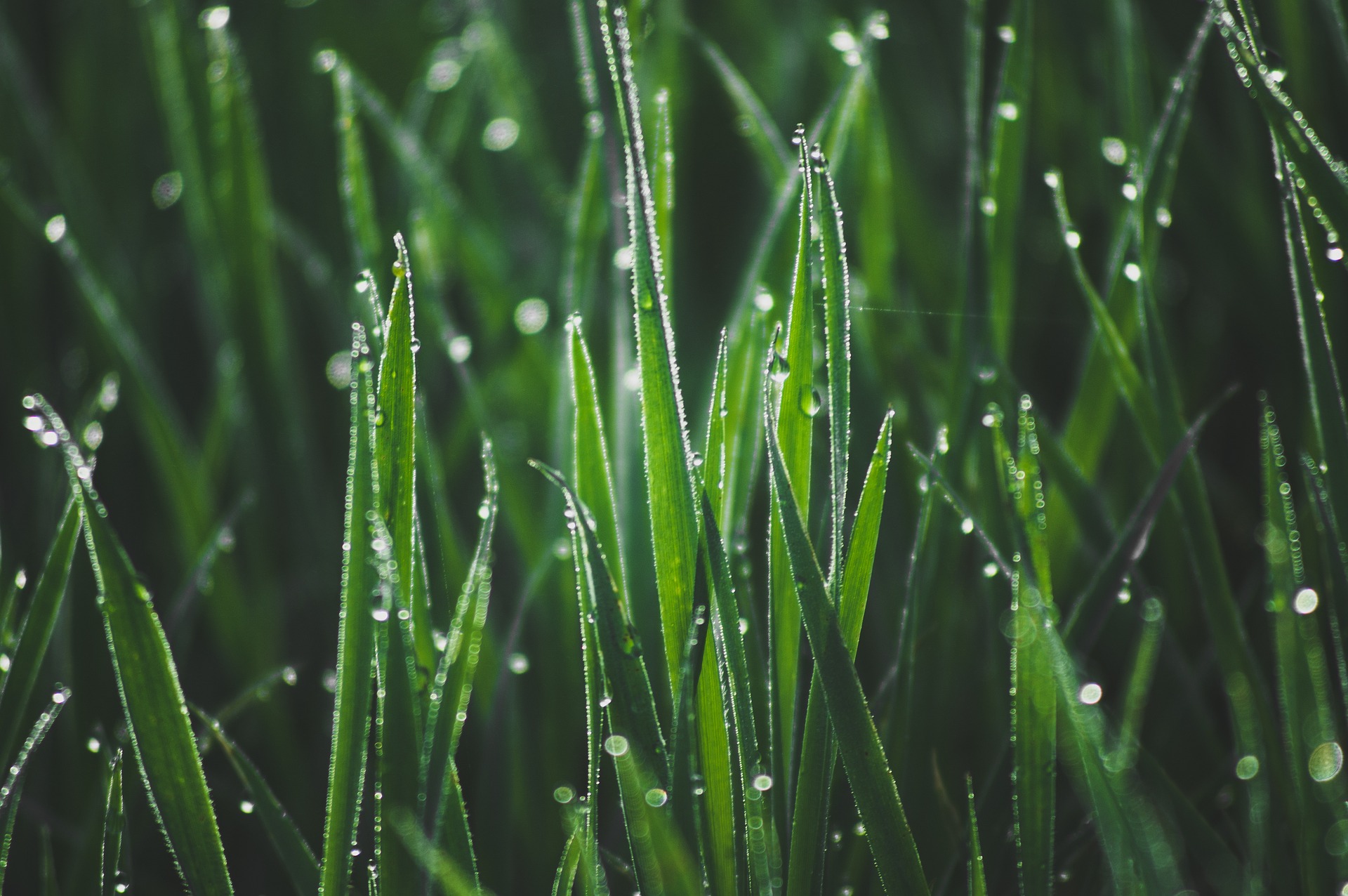
A 2024 npj Clean Water study combined a slender aluminum-wire geometry with patterned wettability to improve both fog-droplet capture and drainage.
Slender geometry plus heterogeneous wettability

The aluminum wires contained superhydrophilic (SHL), superhydrophobic (SHB) and oil-infused superhydrophobic (SHBO) regions. The design drew on biomimetic concepts associated with slender desert plants and heterogeneous beetle surfaces.
42% collection efficiency—not a 42% improvement
The SHL–SHBO–SHL pattern achieved a fog-collection efficiency of 42%, compared with 34% for the untreated bare surface. Thus, 42% is the measured efficiency itself, not the relative percentage improvement over bare aluminum.
Different wettability boundaries had different functions: one promoted capture, while another promoted drainage.
Continuous drainage matters as much as capture
A fog collector must free its surface after droplets grow. Efficient directional transport and drainage create new capture area for incoming fog. The study therefore treats boundary direction and hydrophilic area ratio as design variables.
This remains a controlled surface-engineering prototype. Long-term outdoor performance, fouling, dust, water quality and cost per unit area still require validation.
For related context, see A Drip-Irrigation Emitter Inspired by the Bodhi Leaf Tip: How BLAM Produces Small, Frequent Droplets.
For related context, see A Fog-Harvesting Grass Creates ‘Fog-Plant-Oases’ That Fuel an Aboveground Food Web in the Namib Desert.
For related context, see Mac-Fabric Generates Electricity from Humidity: 0.144 W/m² and a Tent-Powered Phone Demo.
Reference
- Yang D, Ramu AG, Choi D. Multifunctional integrated pattern for enhancing fog harvesting water unidirectional transport in a heterogeneous pattern. npj Clean Water. 2024;7:20. https://doi.org/10.1038/s41545-024-00317-6
Comments