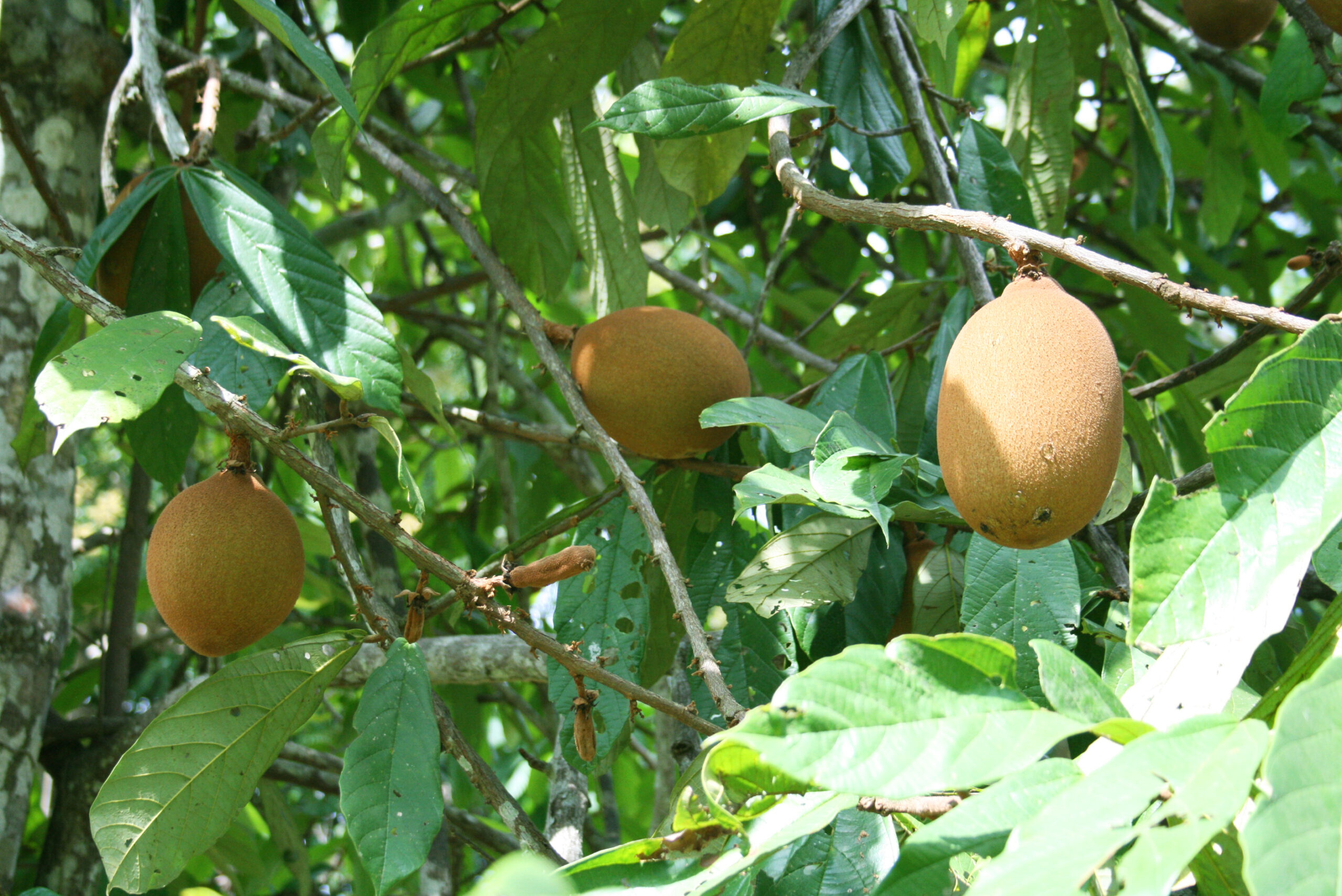
Cupuaçu (Theobroma grandiflorum) is an Amazonian fruit tree closely related to cacao. A 2023 genomic study concluded that it is a domesticated form derived from the wild relative cupuí (T. subincanum) and reconstructed a history that may extend into the mid-Holocene.
The popular phrase “cultivated for 8,000 years” needs one important qualification: the date comes from population-genomic bottleneck inference, not a directly dated archaeological cupuaçu specimen.
Cupuaçu is a domesticated lineage derived from cupuí

Researchers sampled cupuaçu and cupuí at four sites in Brazil and used RAD-seq population genomics. Phylogenetic and population analyses support cupuaçu as a domesticated lineage derived from cupuí rather than simply a separate wild sister species.
The first bottleneck was estimated at roughly 5,347–7,943 years BP

Population-history modelling detected a major loss of diversity estimated between 5,347 and 7,943 years before present. The authors interpret this as the initial domestication phase. Geographic relationships point toward the Middle–Upper Rio Negro basin, although limited sampling prevents a precise origin point.
A second bottleneck occurred about 169 years ago
A second diversity reduction was estimated in the modern era, around 169 years ago, and is consistent with a later phase of geographic expansion and cultivation.
Low diversity does not identify one exact breeding practice
The earlier article attributed low diversity largely to selfing or purification. The paper itself demonstrates bottlenecks and reduced diversity, but does not prove a single historical breeding method. Selection, movement of small founder populations and restricted gene flow can all contribute.
Was cupuaçu domesticated before cacao?
Cupuaçu’s 5,000–8,000-year estimate and archaeological/archaeogenomic evidence for cacao are based on different forms of evidence. It is therefore safer not to turn them into a simple “which crop came first” timeline.
The broader lesson is that Amazonian biodiversity is not only a product of untouched nature. Indigenous societies have shaped useful plant populations over millennia, leaving signals that are still visible in modern genomes.
For related context, see Liberica Coffee Is Three Species—and 2026 Genomics Confirmed Liberica × Excelsa Hybrids.
For related context, see How Are Japanese Soybeans Genomically Different? A 462-Accession Pangenome—and Two Author Corrections.
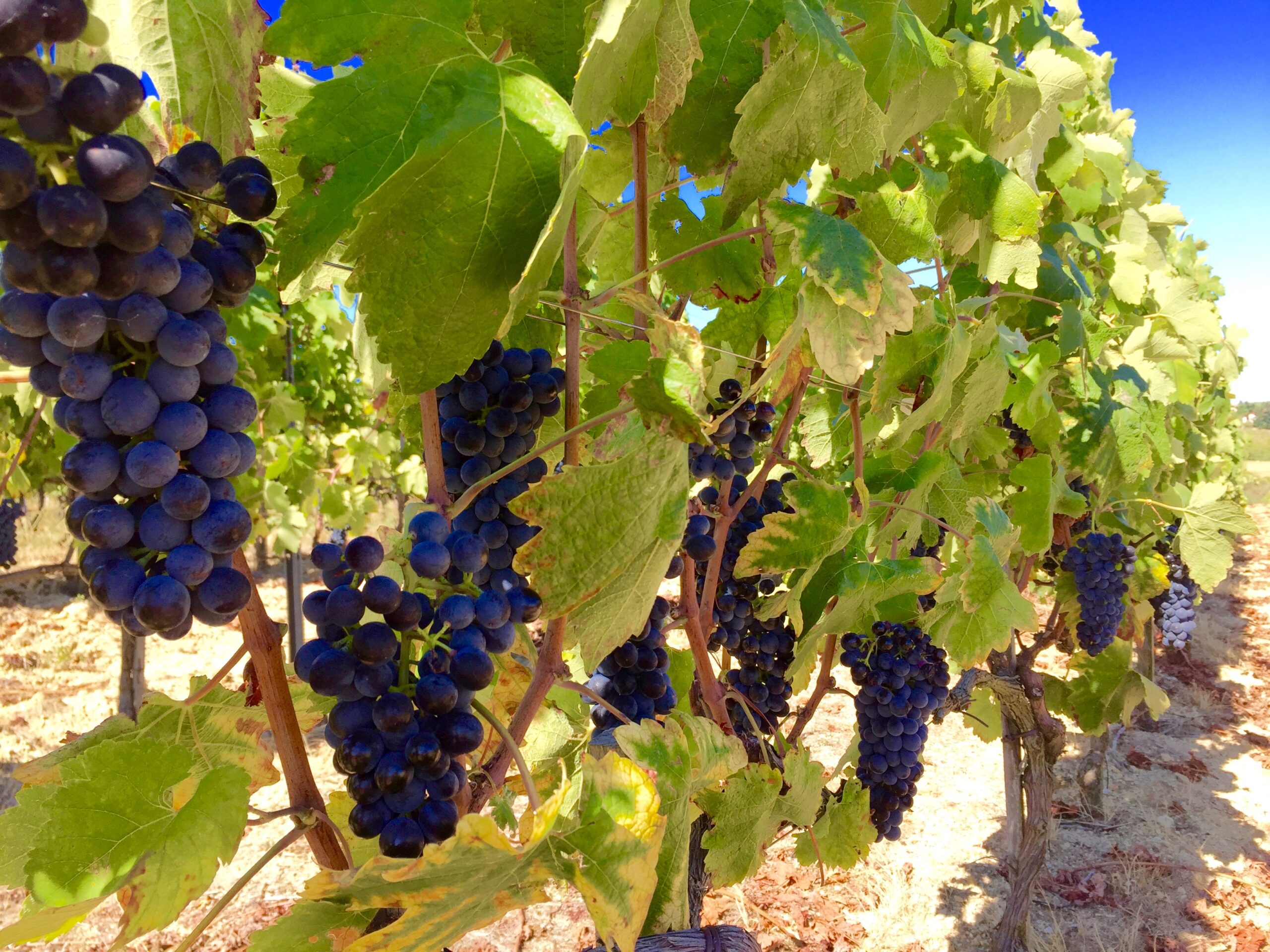
For related context, see Crossing, Selfing or Cloning? Pinot Noir Pedigrees Reveal How Reproductive Systems Reshape Grapevine Genomes.
For related context, see Reading a 1,500-Year-Old Caribbean Diet from Coprolite DNA.
Reference
- Colli-Silva M et al. Domestication of the Amazonian fruit tree cupuaçu may have stretched over the past 8000 years. Communications Earth & Environment. 2023;4:401. https://doi.org/10.1038/s43247-023-01066-z
Comments