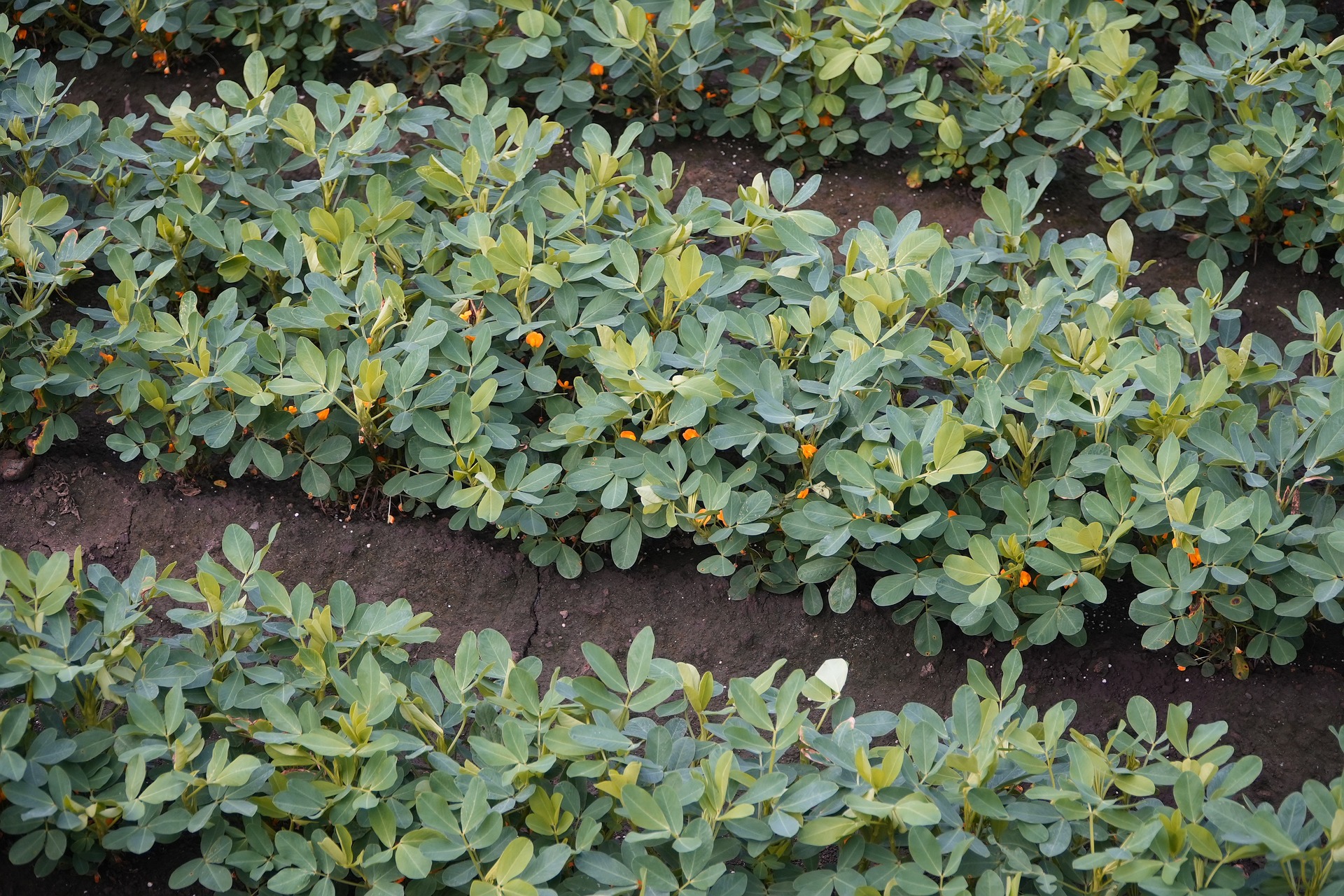
輪作や混作で作物performanceが変わる理由は、単なる肥料残効だけではありません。2024年の Nature Communications 研究は、落花生を中心に、前作とneighbor cropがroot exudate、soil microbiome、free-living/symbiotic nitrogen fixationをどう変えるか調べました。
rapeseed前作+maize neighborでpeanut biomassが増加

continuous peanutと比較してrapeseedをpreceding cropにするとpeanut growthとnodulationが改善し、さらにmaize intercroppingを組み合わせると効果が強まりました。
15N-based assaysなどからbiological nitrogen fixationの増加も確認されています。
「Nod factorは植物から出る」は誤り
旧記事では植物根からNod factorが放出されるように書いていましたが、Nod factorはrhizobiaが作るlipo-chitooligosaccharide signalです。植物はflavonoidなどのroot exudateを放出し、rhizobial nod genesを誘導します。
本研究ではcrop combinationによりrhizodeposited metabolitesが変化し、nitrogen-fixing taxaやmicrobial functionsが変わることが示されました。
free-livingとsymbiotic N fixationの両方が動く

root-zone metabolomics、microbiome profiling、metatranscriptomicsなどを組み合わせ、rhizobial symbiosisだけでなくfree-living diazotrophのactivityもcrop diversificationへ応答することを示しています。
つまり「根粒が増えたから肥料を多く撒いたのと同じ」ではなく、plant–microbe carbon/nitrogen exchange networkが再編されたと見る方が適切です。
他の作物組合せへそのまま一般化できない
peanut–rapeseed–maize systemで得られたmechanismです。soybeanやbeanへ置き換えれば同じ効果が出るとは限りません。soil type、climate、cultivar、previous cropでroot exudateとmicrobiomeは変わります。
2024年4月のPublisher Correctionは著者所属の追加だけで、scientific resultsやfiguresへの変更ではありません。
関連するテーマとして、植物ホルモンIAAを作る細菌――根の形を変えるplant–microbe communicationの仕組みもあわせて読むと背景がつながります。
関連するテーマとして、堆肥には植物ホルモンがどれだけ入っている?――6資材をLC-MSで測った35化合物もあわせて読むと背景がつながります。
関連するテーマとして、混植するgenotype pairをゲノムから選ぶ――199系統Arabidopsisで食害を18〜30%減らしたNeighbor GWASもあわせて読むと背景がつながります。
参考文献
- Qiao M et al. Legume rhizodeposition promotes nitrogen fixation by soil microbiota under crop diversification. Nature Communications. 2024;15:2924. https://doi.org/10.1038/s41467-024-47159-x
- Publisher Correction. https://doi.org/10.1038/s41467-024-47979-x

コメント