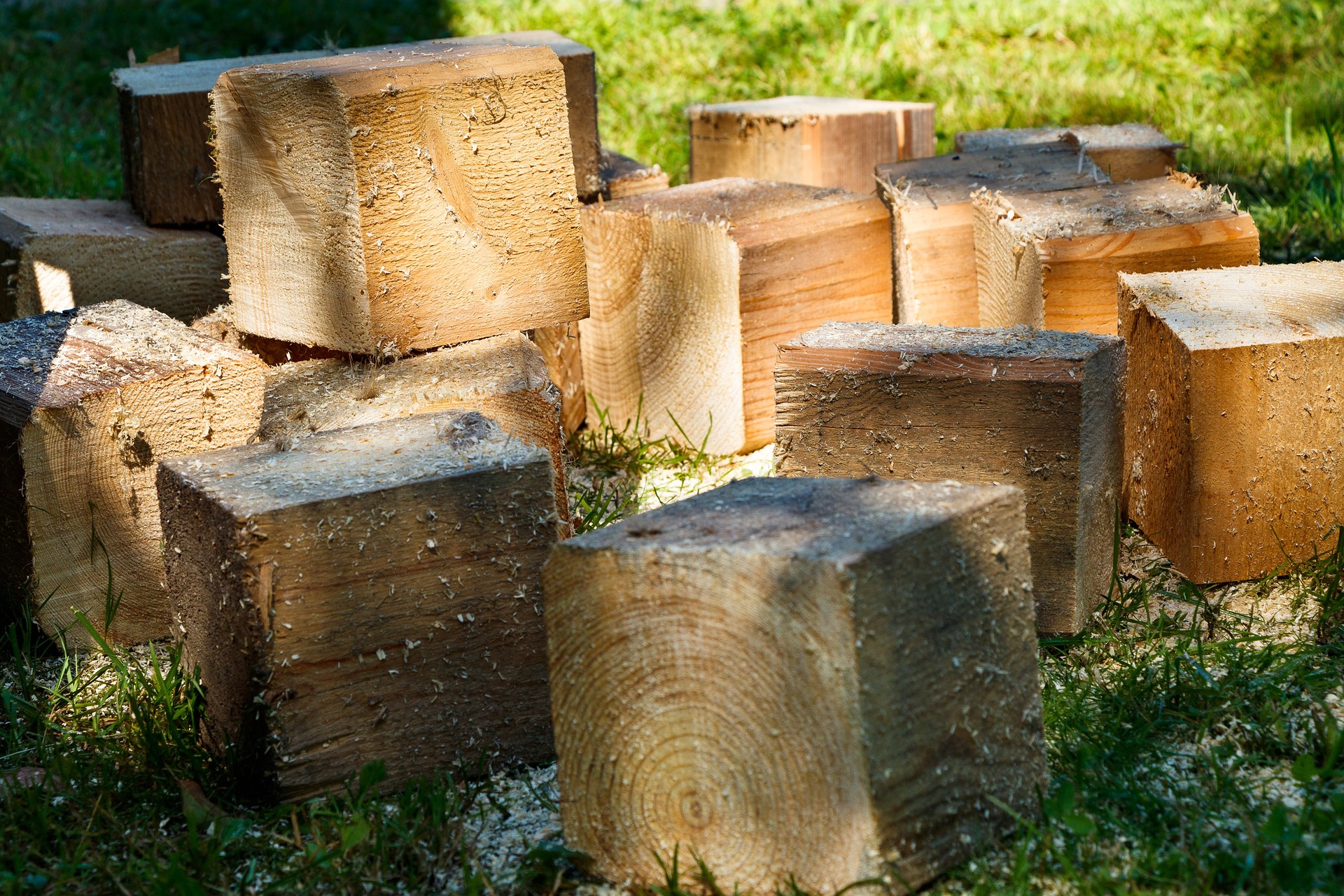
木材加工は大きな材料から削り出すsubtractive manufacturingが中心で、複雑形状ほどwasteが出ます。2024年の Science Advances 研究は、木の主要成分であるligninとcelluloseだけを使ったwater-based inkを作り、direct ink writing(DIW)で“木材”を3D印刷しました。
binderなしのwood-based ink
inkはhardwood lignin 25 wt%、cellulose nanocrystals(CNC)、TEMPO-oxidized cellulose nanofibers(TOCN)からなり、foreign polymer binderを加えていません。
25-gauge nozzleを使い、printing resolutionは最大約200 µm、interlayer separationは100 µm未満でした。
freeze-dry後、180℃でlignin fusion

印刷直後はwater-richで、ambient dryingでは反りやcrackが生じます。そこで−85℃・<0.1 mbarで48 h freeze-dryし、その後180℃でheat treatmentしました。
ligninがsoften/flowしてlayer間のvoidを埋め、gapは50%以上減少しました。さらにhot pressすると密度とmechanical propertyが上がります。
“天然木より強い”のは特定のhot-pressed試験片の曲げ比較
double-hot-pressed samplesはnatural balsa woodと比べ、modulus of ruptureが約198–222%高く、flexural modulusが約1254–1571%高い値を示しました。
一方、unpressed sampleのcompressive strengthは約1.51 MPaで、balsaの約5.95 MPaより低く、layer separation failureも生じました。
したがって「3Dプリント木材は天然木より強い」と一般化するのではなく、densificationした特定方向の試験片でbalsaを上回る曲げ性能を得たと読むべきです。
wood waste recyclingには可能性、energy/LCAは未確定
原料のcellulose/ligninはwood wasteや他のlignocellulosic biomassから得られる可能性があります。ただし本研究はfreeze-drying 48 h、180℃ heating/hot pressingを必要とし、life-cycle energyやcostを実証していません。
住宅を丸ごとこの材料で印刷できる段階ではなく、複雑wood architectureとrecyclingのmaterials proof-of-conceptです。
関連するテーマとして、ココナツmat+geopolymerで熱伝導率41%低下――植物繊維を挟むlayered断熱panelもあわせて読むと背景がつながります。
関連するテーマとして、木材由来nanocelluloseを綿のような繊維へ――濡れても強度を保つall-cellulose filamentもあわせて読むと背景がつながります。
関連するテーマとして、キトサン+アロエ+シナモンで抗菌cotton――bioactive coatingと20日soil biodegradation試験もあわせて読むと背景がつながります。
参考文献
- Thakur MSH et al. Three-dimensional printing of wood. Science Advances. 2024;10:eadk3250. https://doi.org/10.1126/sciadv.adk3250
コメント